

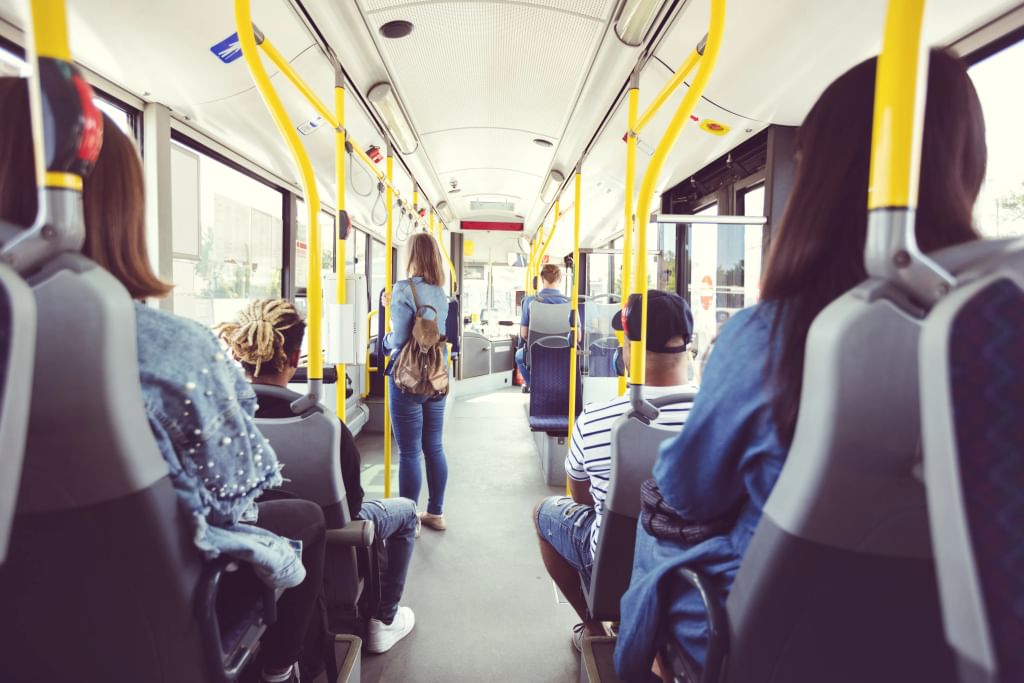
Commuting is becoming an increasingly popular choice for students, as opposed to living on campus. It offers various benefits and challenges that should be weighed up. This blog will explore my experience over the last two years!
Benefits
Money Saving
A well-established benefit of living at home during university revolves around saving money. By saving on student accommodation, utility costs, and weekly shops, commuting is an affordable alternative for many students.
Close to home
Another benefit is being close to home. Although moving to university can offer new experiences and independence, homesickness is bound to come up. Living at home means you’ll have access to your own space, support from family during challenging times and a sense of familiarity.
Easier transition to university
As a neurodivergent student, another advantage I experienced was an easier transition to university. For many students, university living means experiencing a new environment, sharing living spaces, and adjusting to a new routine. By living at home, I benefited from a sense of consistency during a transformative time, which reduced stress and anxiety amid university life.
The commute itself
Something I didn’t anticipate enjoying as much as I do is the drive to university. In many ways, I think travelling to university requires a high level of organisation – if I lived on campus, I’d be tempted to wake up 10 minutes before my lecture and rush over! Having to ensure I have adequate time to get ready and get to campus means my mornings are
structured and consistent. The time it takes me to travel also allows me to enjoy podcasts and audiobooks, setting up my day nicely.
Independence and Responsibility
Commuting can come with quite a lot to balance. However, managing travel, balancing study and home life, and organising my day has helped me develop skills I’ll carry into the future.
Challenges
Long Travel Times
It can’t be denied that having a long commute has its challenges. Commuting daily can be difficult during periods of low motivation and can make attendance more taxing. A subsequent effect of this is reduced energy and time for studying or socialising, which should be considered.
Transport Costs
Although commuting may save money on accommodation, fuel, parking, train tickets, or bus fares can add up over time. While it can be reassuring to have various modes of transport to university, relying on them often adds costs, especially as public transport fares rise.
Less Social Interaction
A challenge I’ve experienced is balancing commuting with my social life. Although it is possible to balance the two, commuting students may find it harder to join spontaneous plans and events, especially when it comes to getting involved in college life. You can manage this by planning your commute ahead of time, but it may mean leaving earlier than others or prioritising your route home over socialising.
Travel Disruptions
This is a point I’m sure you could’ve guessed! Traffic, delays, cancellations, and bad weather can make getting to lectures quite stressful, especially for important classes. Despite all of your best efforts, it will happen – if you’re somebody who struggles with unreliability, this is definitely a point to consider. You may have to leave even earlier than necessary to account for the unexpected (which isn’t preferable when you have a 9am)!
Feeling Less Connected to Campus Life
Students who commute may feel as though they miss out on some aspects of university culture and find it more difficult to build friendships or networks. A question I frequently get as a commuter is ‘Don’t you feel like you’re missing out on all the independence and important life skills?’ It is a fair question, but in reality, I’m developing these skills in a
different way; I’ve had to become highly organised and disciplined to manage my routine. That being said, it can be difficult to develop friendships with constraints on campus, though in my experience, making an effort to stay for social activities and attend events when possible has made a significant difference.
Summary
To conclude, commuting can be a great choice, though it requires consideration. While offering financial benefits and home comforts, it can also bring challenges such as time management and socialising. I would advise you to weigh up your priorities, circumstances, and aims at university, and consider whether commuting could be for you.
Discover more
Create your own personalised prospectus here
Follow our students on Instagram, TikTok and YouTube