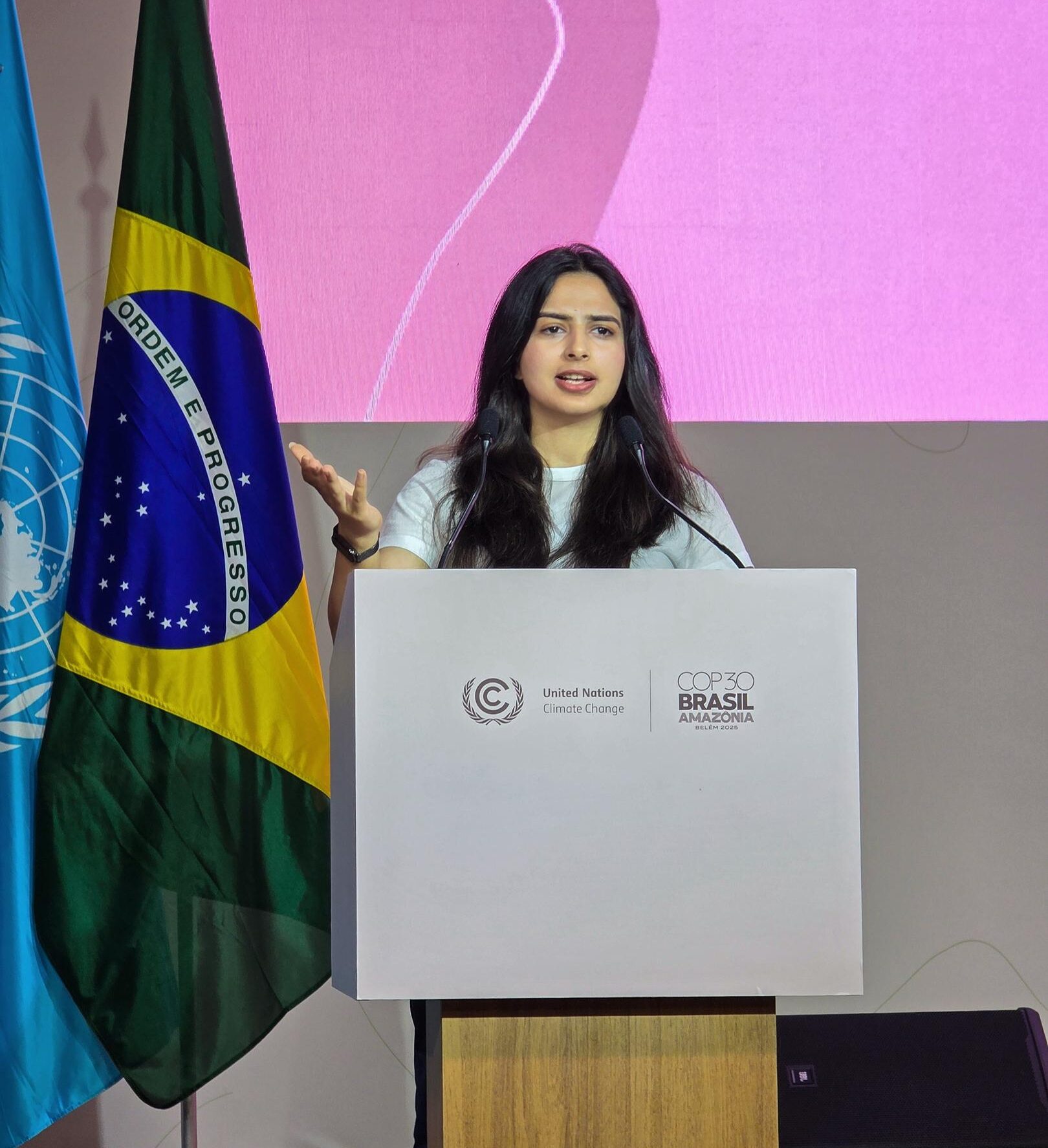
If someone had told me a year ago that I’d end up in the Blue Zone of the biggest UN climate conference in the world, listening to ministers argue over climate finance while I scribbled notes in a negotiation room in the Amazon… I don’t think I would’ve believed them. But somehow, this unbelievable, messy, chaotic, beautiful journey actually happened, and it changed me in ways I’m still trying to understand.
The journey itself: stressful, confusing, and very, very real
Before I even set foot inside COP, Brazil had already tested me in every possible way. The journey was long, the connections were confusing, and the language barrier hit me the moment I landed. I found myself standing in airports at odd hours, trying to navigate baggage belts, domestic re-check-ins, and queues I didn’t fully understand, all while relying on Google Translate that worked only half the time. Nothing was predictable, everything required patience, and I realised very quickly that this trip was going to stretch me far beyond the comfortable routines of student life in Durham. But in a strange way, those early challenges grounded me. They made the moment I finally reached Belém, exhausted, sweaty, but relieved, feel like the true beginning of something meaningful.
Walking into COP: when it finally felt real
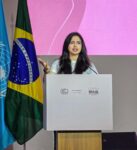
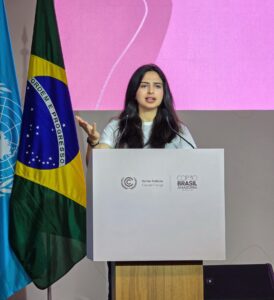
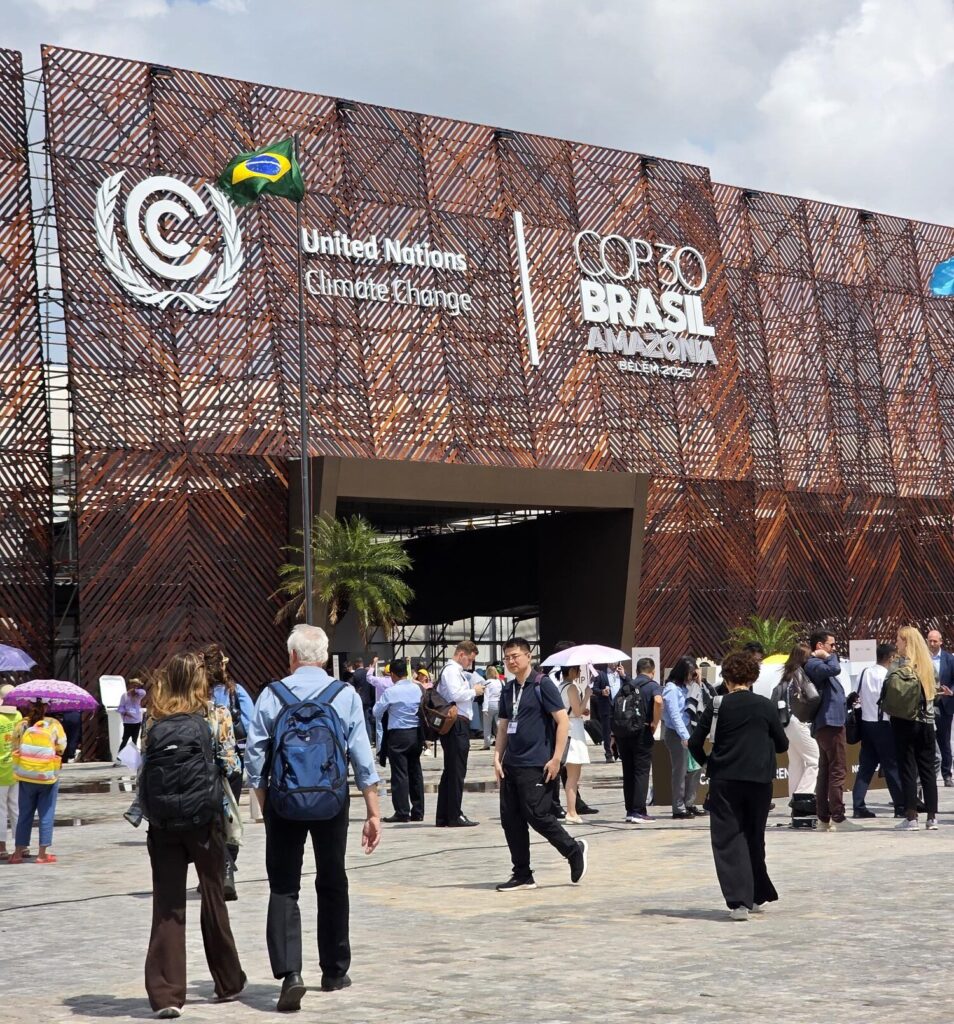
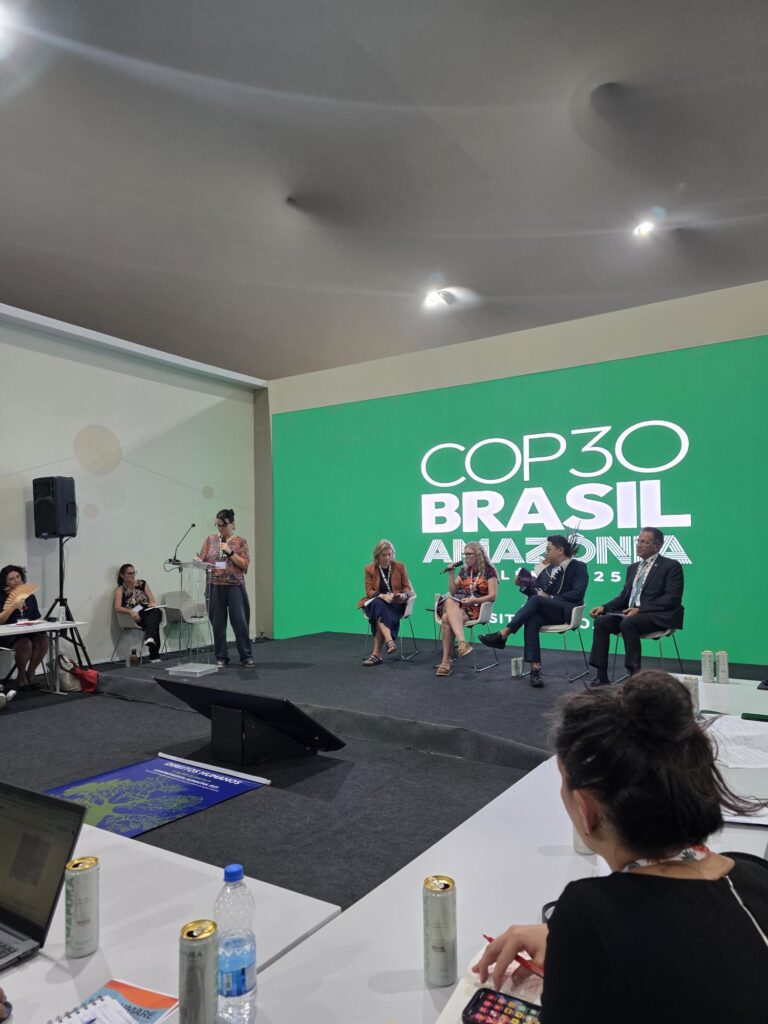
The next morning, stepping into the Blue Zone was the moment everything suddenly clicked. There were people everywhere, government delegates in suits, youth activists holding banners, indigenous representatives in cultural dress, NGOs with stacks of policy documents, scientists, negotiators, journalists… it was like a living, breathing world condensed inside a conference venue.
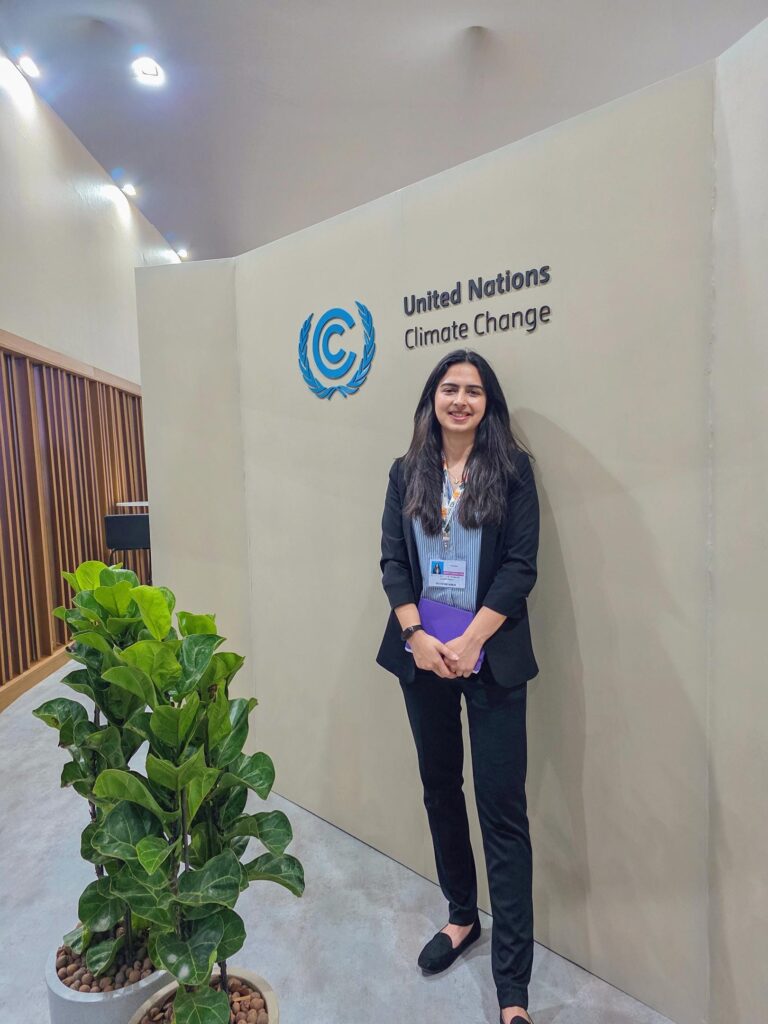
I remember holding my badge, looking at the sea of people rushing around, and thinking:
“I’m actually here. I’m part of this.”
Negotiations: intense, emotional, and surprisingly human
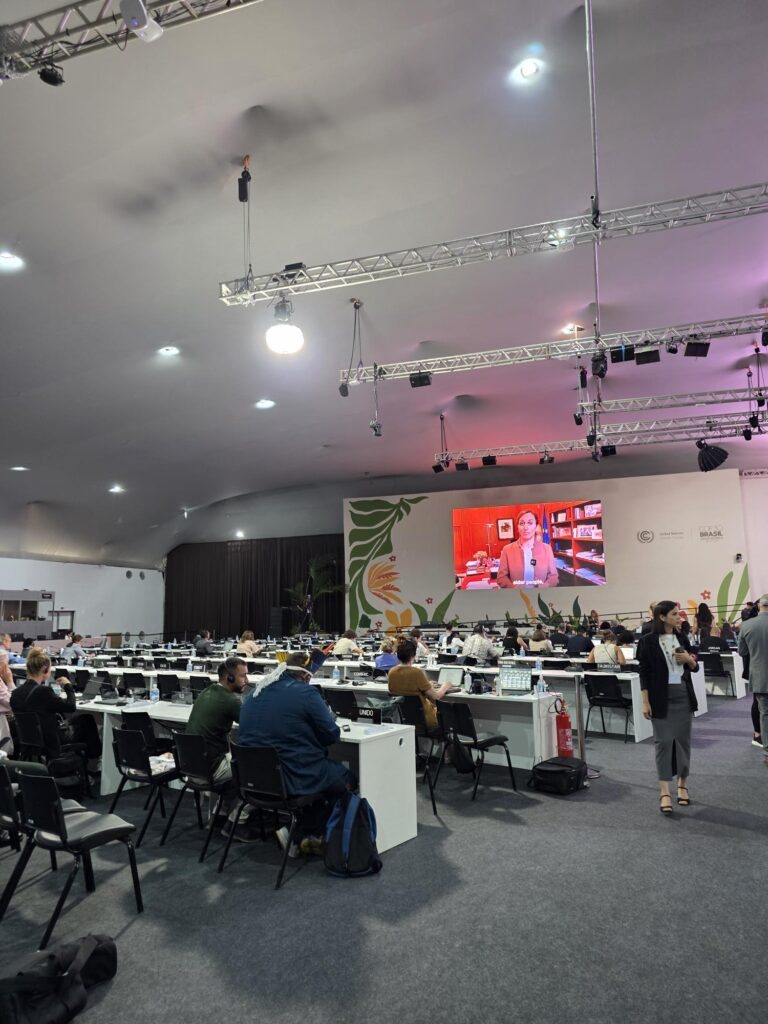
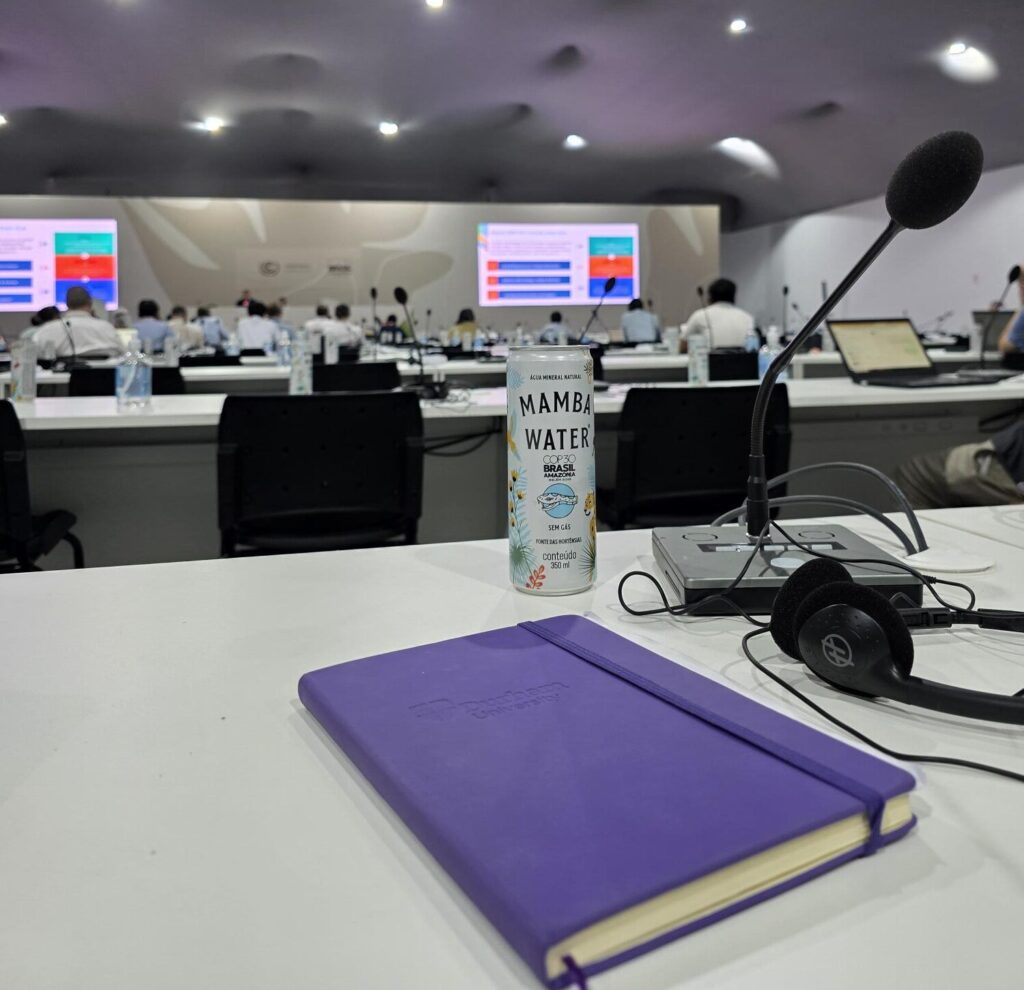
I thought I knew what “negotiations” meant until I sat in one.
They weren’t dry or distant. They were emotional, sometimes tense, sometimes hopeful. Countries debated over single words, commas, timelines, and responsibilities. You could feel the weight of every sentence because these decisions will affect millions of people.
What struck me most was how human it all was.
Delegates whispered to their team members, shared jokes during breaks, rubbed their eyes from exhaustion, argued passionately about one paragraph, and then calmly moved to the next. Some entered the room with determination, others with frustration, but everyone was carrying something heavy.
Watching Pakistan, India, Saudi Arabia, the EU, and small island states all pushing for different priorities made me realise how incredibly complex climate justice truly is.
Life outside COP: Belém’s beautiful chaos
Belém is stunning, but it’s also unpredictable. Every day felt like navigating a new maze:
- Ordering food with hand gestures because the menu had no pictures
- Explaining to Uber drivers what “Blue Zone gate” meant
- Walking long distances in 35°C heat because some entrances were closed
- Trying three ATMs before finding one that worked
Everything required effort, but that effort also made every small success feel like a victory.
The Amazon: the moment that changed everything
Nothing prepared me for the moment I saw the Amazon. You grow up seeing pictures, videos, and documentaries, but experiencing it in person is different. The air feels ancient. The trees feel alive in a way that makes you rethink your place in the world. The sounds, birds, insects, and water somehow silence the noise you’ve been carrying inside. It made climate change feel painfully close. It reminded me of home, of Gilgit-Baltistan, of small mountain communities that rarely make it into global conversations but carry some of the heaviest burdens. Standing in the rainforest, I realised how connected everything truly is, from the Amazon to the Karakoram, from Belém to Durham.
Being a student, but not “just a student”
The most empowering moment for me wasn’t a negotiation or a speech; it was the moment during a session when I understood everything the delegates were debating.
I followed the acronyms.
I understood the financial arguments.
I recognised the political undertones.
And for a second, I wasn’t a “student observer.”
I was someone who belonged in the room.
That realisation stayed with me. It made me think about the work we do at Durham, in our societies, departments, and research groups, and how connected it is to the bigger picture.
Coming back home: a strange kind of silence
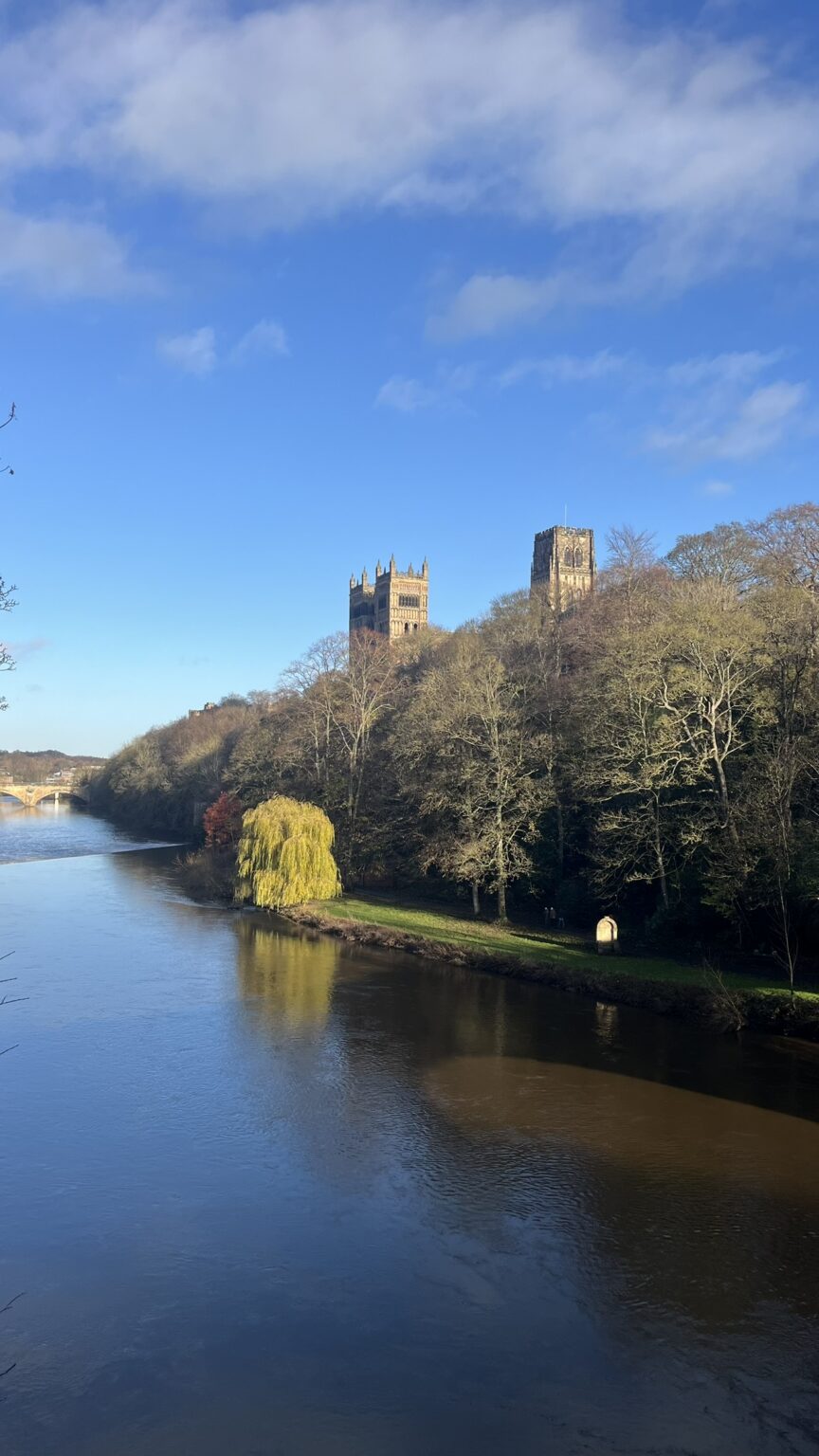
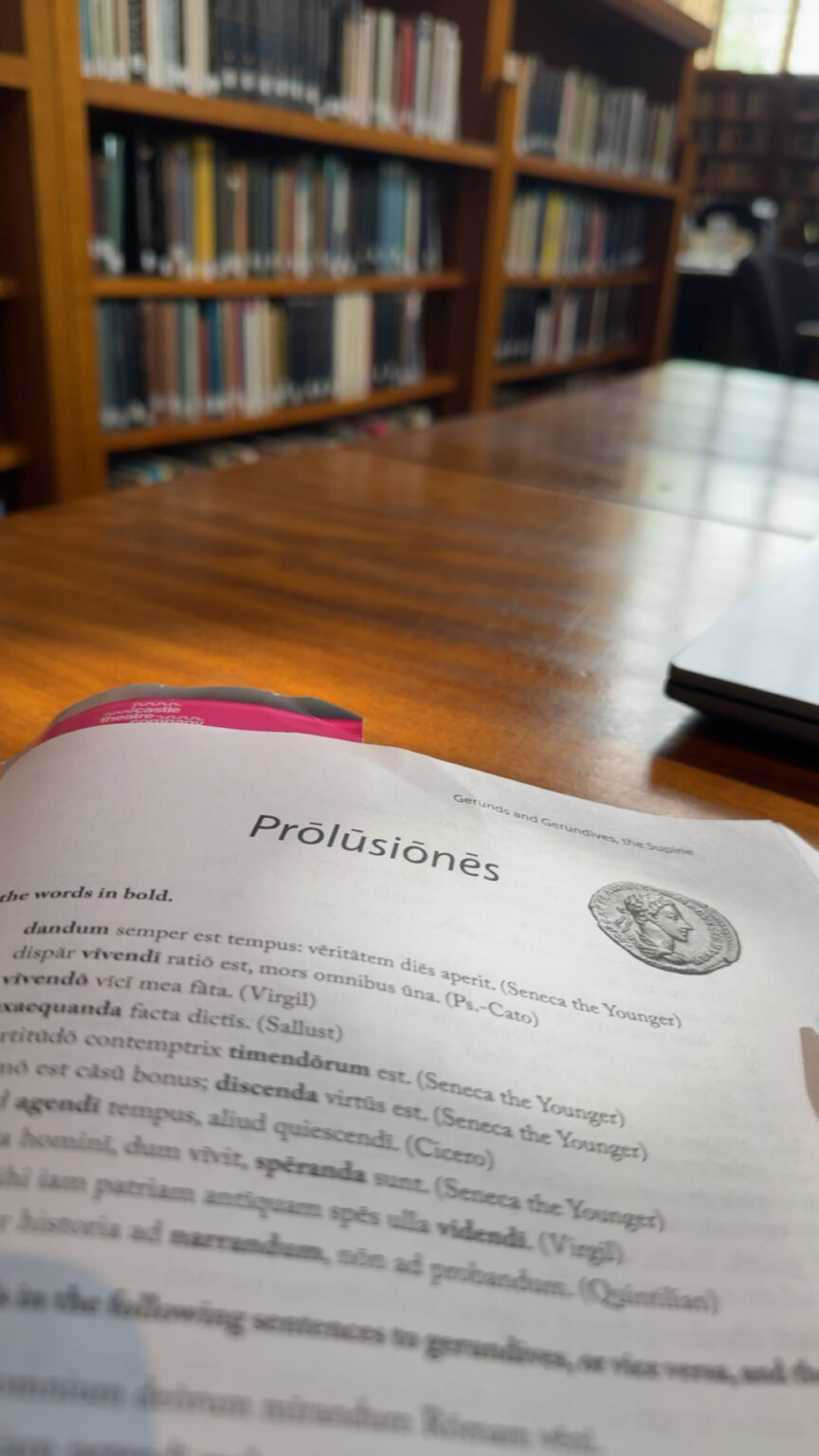
Returning to Durham after COP felt surreal. One week, I was walking between negotiation rooms in the Amazon, and the next week I was back in the Billy B looking for a free table.
The silence felt strange at first.
But I came back with a new sense of clarity, not just about climate issues, but about my role. About the responsibility that comes with witnessing something so global and so raw.
COP30 reminded me that young people don’t need permission to show up. We don’t need to wait until graduation to make a difference. We don’t need titles to matter.
We just need to care, fiercely, stubbornly, unapologetically.
A final thought
If you’re a Durham student reading this and thinking opportunities like this are “too big” or “not meant for people like you,” please believe me when I say: they are. I didn’t come from privilege in this space. I wasn’t born into climate diplomacy. I was just a student who cared enough to try, and the world opened a door. The climate crisis needs voices like ours. Honest voices. Young voices. Impatient voices. Voices that still believe change is possible.
And if there’s one thing COP30 taught me, it’s this:
We belong in these rooms.
We deserve to be heard.
And we are not too young to make a difference.
Discover more
Find out more about Durham University’s involvement in COP3
Take a look at Zonash on LinkedIn
Create your own personalised prospectus here.