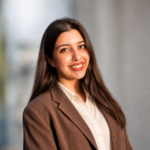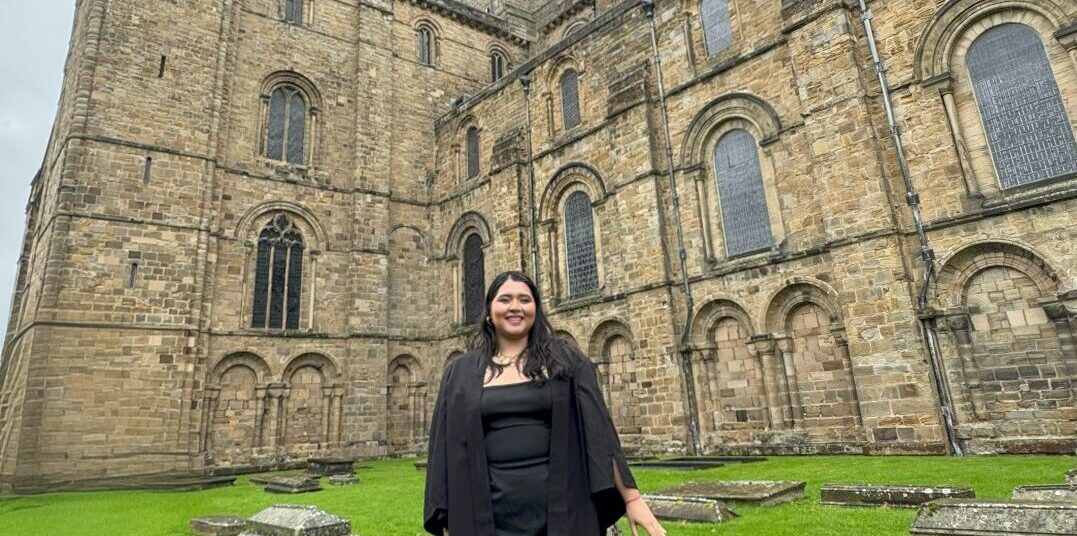
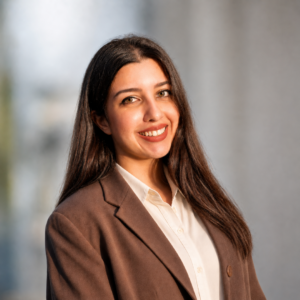
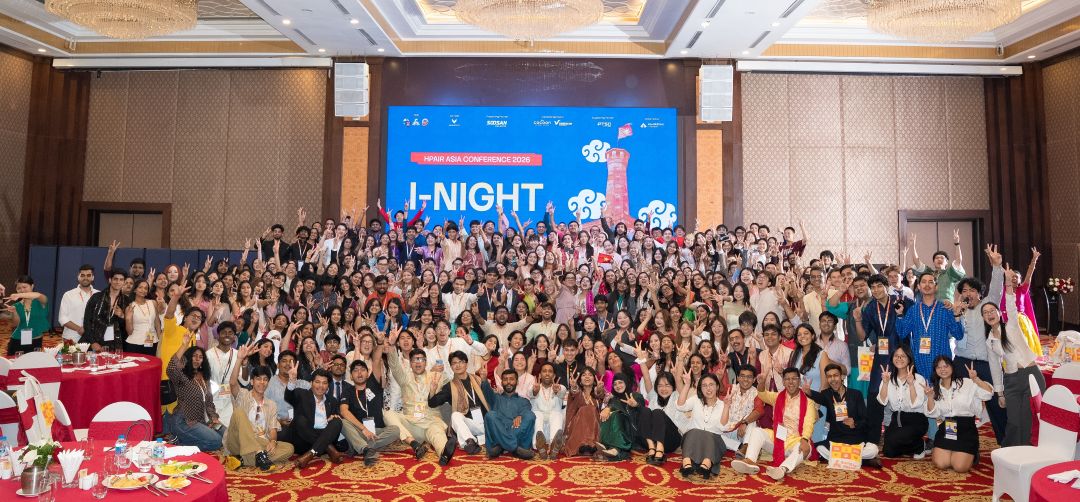
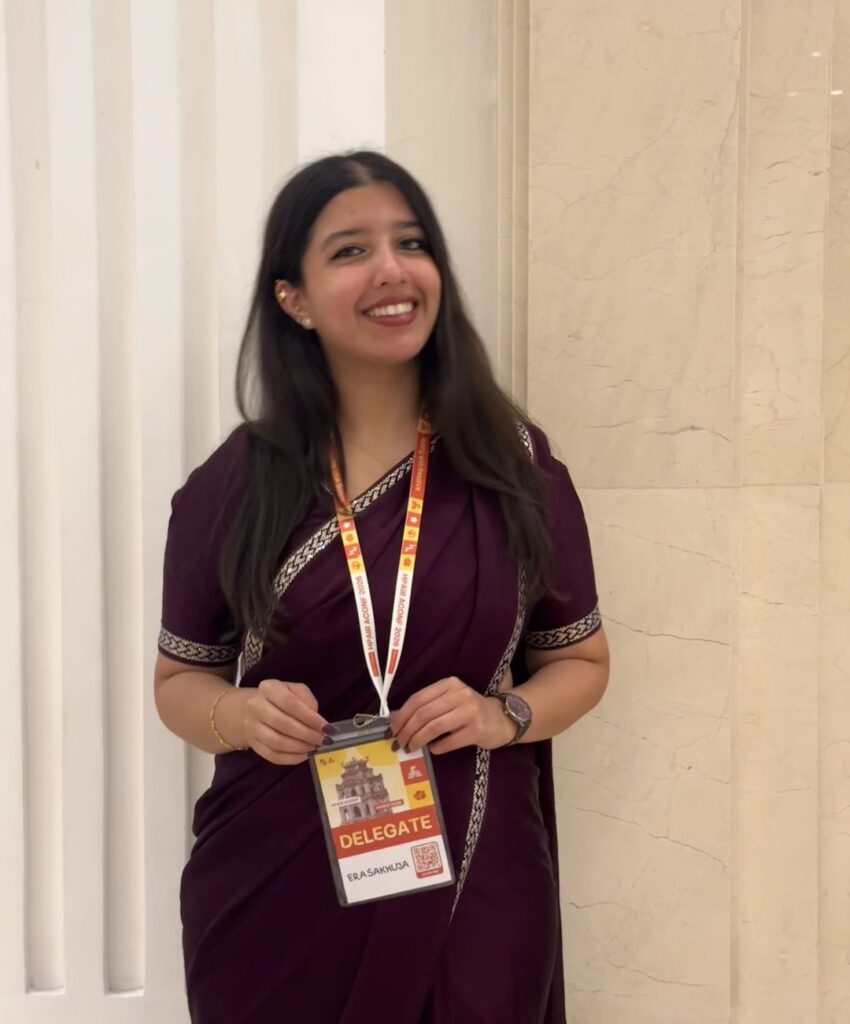
I was fortunate to attend my first international conference, the Harvard Project for Asian and International Relations (HPAIR) Asia Conference (ACONF) 2026 in Hanoi, Vietnam, in August 2026. As a Master’s student in Politics and International Relations (Political Theory) at Durham University, I was able to take ideas I usually learn about in an academic setting and discuss them with people from different backgrounds around the world.
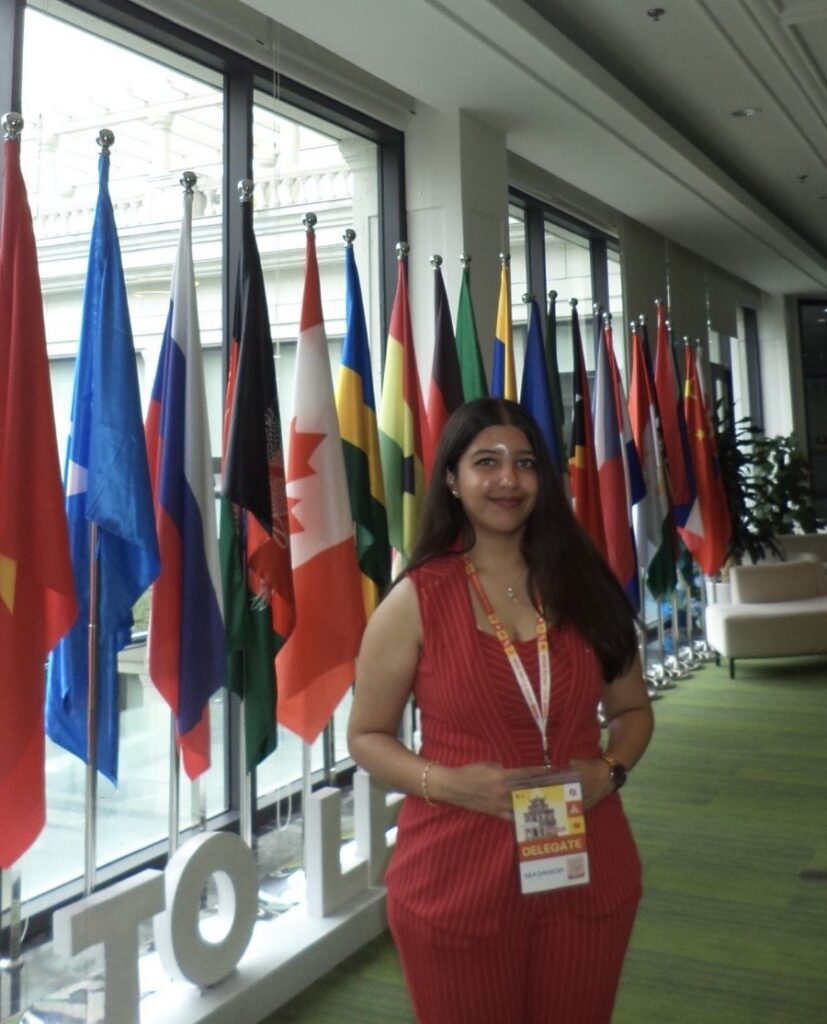
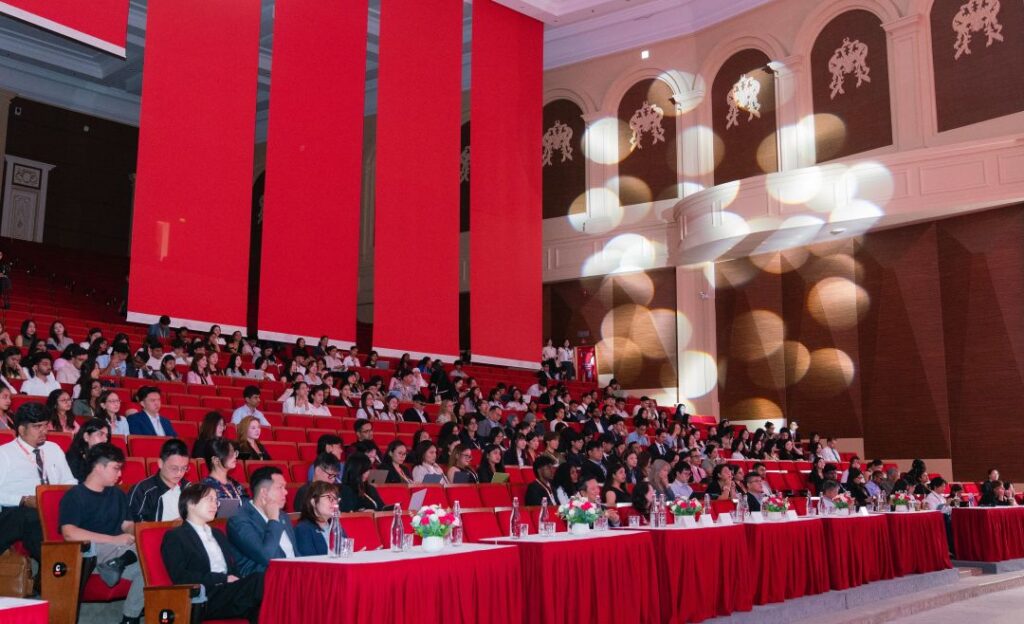
More than 70 countries were represented at the conference. What I found most interesting was seeing how differently people approached the same issues depending on where they came from and what they had experienced.
From AI to global governance
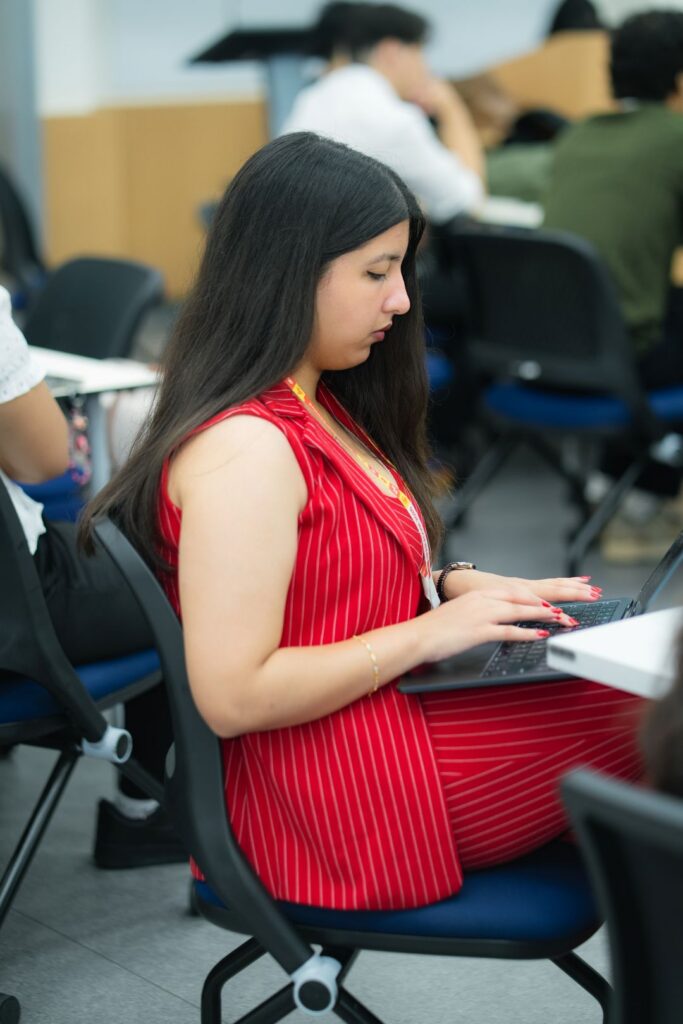
A highlight for me was talking to Dr Brindha Jeyaraman about agentic AI and technical transparency. I asked what policymakers can do when new technological risks are emerging, and broad principles still need to be turned into practical frameworks.
I also attended sessions on Southeast Asian strategic autonomy, multilateralism, agricultural resilience, community health, education and geopolitical resilience. It was valuable to hear different viewpoints and understand why there is rarely one straightforward answer to issues affecting countries in different ways.
The Impact Challenge
The Impact Challenge was another highlight of HPAIR. My team and I worked with Lighthouse Social Enterprise on a real-world problem and spent a few days developing our proposed solution.
We disagreed on some ideas and had plenty of discussion before the final presentation. We reached the final round and did not win, but I was still proud of what we achieved because everyone was willing to question the idea and make changes rather than simply agree.
Support from Durham
The opportunity would not have been possible without the £1,000 sponsorship jointly provided by Durham University’s School of Government and International Affairs (SGIA) EDI Committee and Education Committee. The funding covered around 50% of my total costs and made it possible for me to attend a conference that would otherwise have been difficult to afford.
As a Student Representative on the SGIA EDI Committee, this support was also important to me personally. It showed me that students can access opportunities outside the classroom and represent Durham internationally.
It was a great honour to represent Durham University and SGIA during the conference. I took part in discussions, met delegates from different countries and shared views based on my studies at Durham and experiences in India.
Not everything went to plan
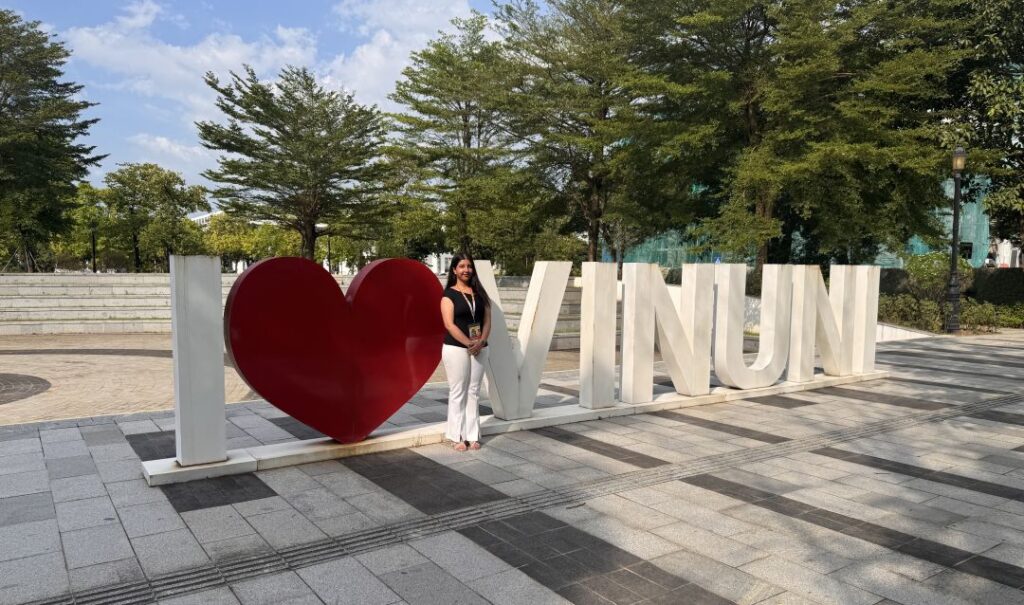
I also faced some difficulties during the trip. When I arrived in Hanoi, I had problems with my accommodation and spent some time trying to find somewhere safe to stay.
The weather was also challenging, with heavy rain and thunderstorms, and I saw very little of the city outside the conference. It wasn’t the visit to Vietnam I had imagined, but it taught me to adapt, ask for help, and keep going when things don’t go according to plan.
What I brought back to Durham
I came back to Durham with fresh ideas, new friendships, and a better understanding of how people from different parts of the world discuss global issues. I also wanted the experience to go beyond simply attending the conference, which is why I was happy to share what I learnt with the wider SGIA community.
I am very thankful to the SGIA EDI Committee and Education Committee for giving me the opportunity to experience this first-hand. I hope that by sharing what I learnt, I can encourage other students to make the most of similar opportunities and contribute to an inclusive and internationally engaged community at Durham.
Discover more
Feeling inspired? Take a look at our courses School of Government and International Affairs (SGIA)
Download our latest prospectus and college guide here.
Follow The Durham Student on Instagram, TikTok and YouTube.