
If you’re thinking of studying languages at Durham or you’re a current Modern Languages and Cultures (MLAC) student, the chances are you’ll be undertaking a year abroad in your third year. So, how to plan your time abroad?
Thinking of studying two languages?
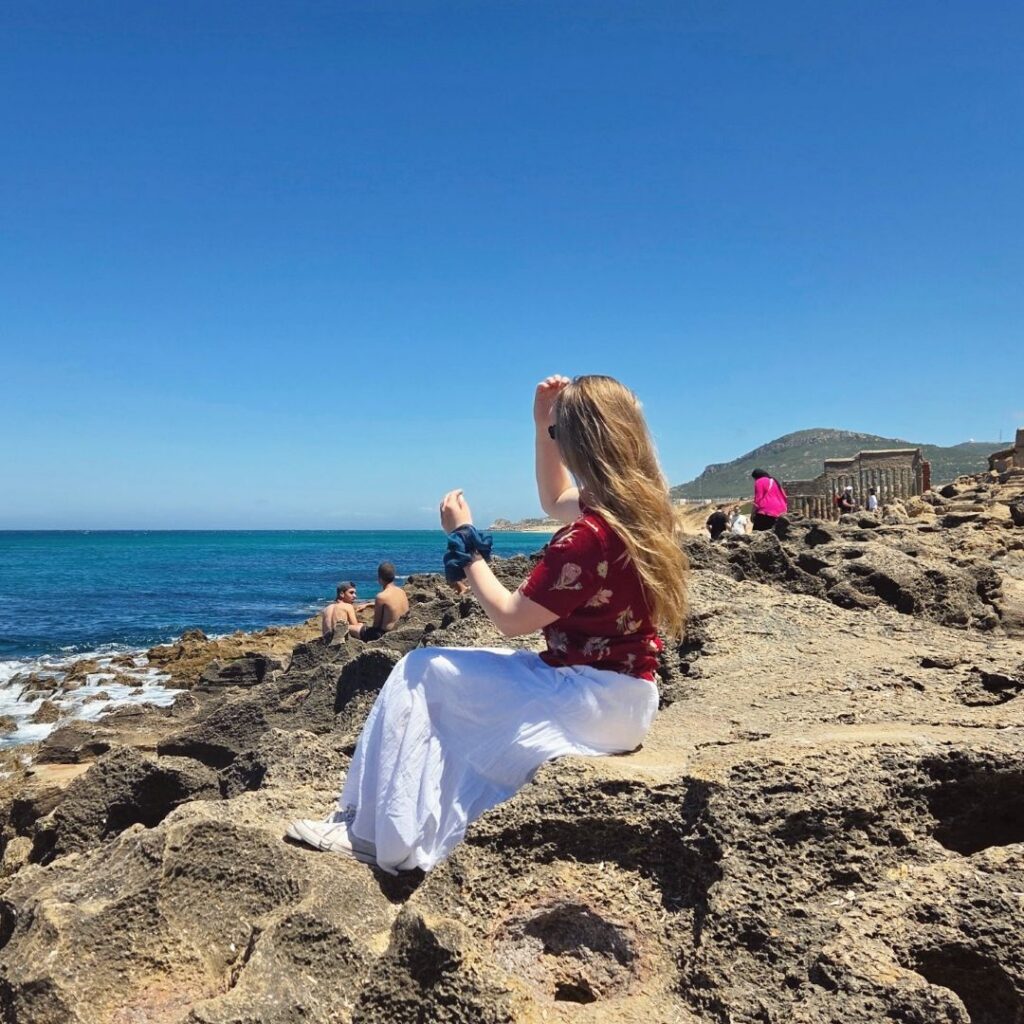
If you’re doing two languages, you’ll want to split your time between a country from each of your subjects. You’re allowed to undertake placements during the summer as well, so you have around 15 months from the end of your second year to the beginning of your fourth year to complete the mandatory seven months. For my year abroad, I chose to do a full year in France to study, and spent my summer studying Arabic in Morocco.
Year abroad prep meetings
Throughout your second year, you’ll have a series of preparatory meetings with your department to highlight the various options you have for year abroad activities, as well as which countries your department routinely sends students to. These meetings will inform you about the process of applying for placements with both Durham and external organisations, and will also provide important support information on culture shock and accessing healthcare in a foreign country, among other topics.
Choose your placements
The next step is choosing which of the types of placements offered you’re actually keen to partake in. For Arabic, we were required to do language study in either Jordan, Morocco, or Egypt. For French, you could choose between study at a French university, a British Council Assistantship, or doing a work placement or internship with a company. While I chose to pursue further study, some students took on internships in companies in Paris or Lyon, or even spent their time abroad working as a ski instructor in the Alps.

Applications
Once you’ve made your decisions regarding where you want to go, usually by the end of Michaelmas term, you’ll begin your applications in January. Some application dates are later or earlier than others, and if you want to secure an internship, you should begin in November or December, but applications for study at a partner university open in Epiphany term. You’ll begin by applying directly to your department, who will then, based on your statement of purpose and 1st year marks, nominate you as a candidate to a university they think would be a good fit. If you are applying to a school or program that is not an affiliate of Durham University, you will need to research their own specific timelines for applications, which can range anywhere from 8 months to 2 weeks in advance of your proposed start date.
Confirmations
The next stage is getting your application confirmed! If you have applied to study with a Durham-affiliated university, once your department has allocated your university, you will need to both apply and register on your own with the school you have been nominated for. This will confirm your place at the university, and allow you to enroll when you arrive in the country. For other placements, ensure that you complete any necessary documents to confirm your place before making any travel arrangements.
Submit your paperwork/payment
Now that you’ve secured your two placements, you need to take care of your travel cover with Durham, as well as securing any necessary visas. Your Year Abroad Learn Ultra Page will clarify the process, but in Easter term, or at least a month before embarking on your travels for a given placement, you will need to complete Durham’s risk assessment, travel checklist, and Viator application to ensure that you are protected in your placement activities by the university. Afterwards, you may need to obtain a visa to enter your chosen country, depending on your own citizenship(s) and duration of your placement. Some external programmes may also require payment outside of the fees which Durham covers, so make sure you’ve paid your balance before hopping on a plane!
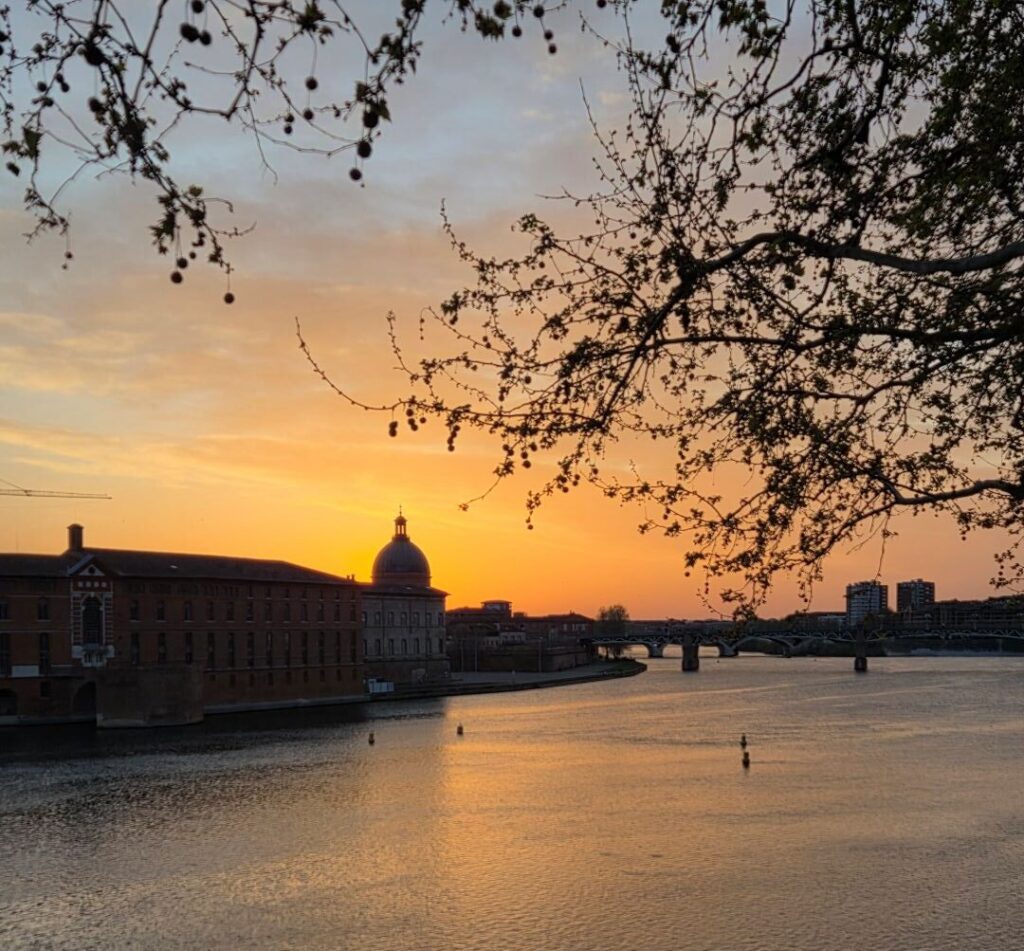
GO!!
Once you’ve taken care of all the applications and paperwork, you can pack your bags and head off across the globe, be it to Japan, Germany, or Argentina. At the end of the year, Durham’s MLAC students call dozens of locations across the globe their second home. Be sure to take time to experience the local life in whatever country you visit as well as completing the internship or courses you’re there for; this is truly a once-in-a-lifetime experience! I loved visiting Morocco so much and getting to know a culture vastly different from my own. Wherever you’re headed, it’s bound to be equally exciting!!
Discover more
Create your own personalised prospectus here.
To find out more about student life in Durham, follow our students on Instagram, TikTok and YouTube