Why Durham
I mainly specialise in Romano-British glass, although I do dabble in other things, so picking Durham for a postgraduate degree seemed like quite an obvious choice!
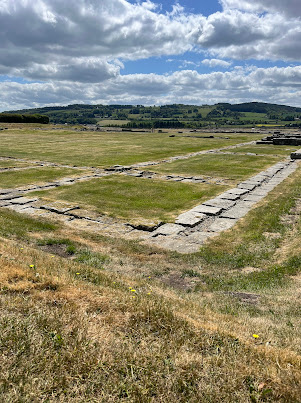
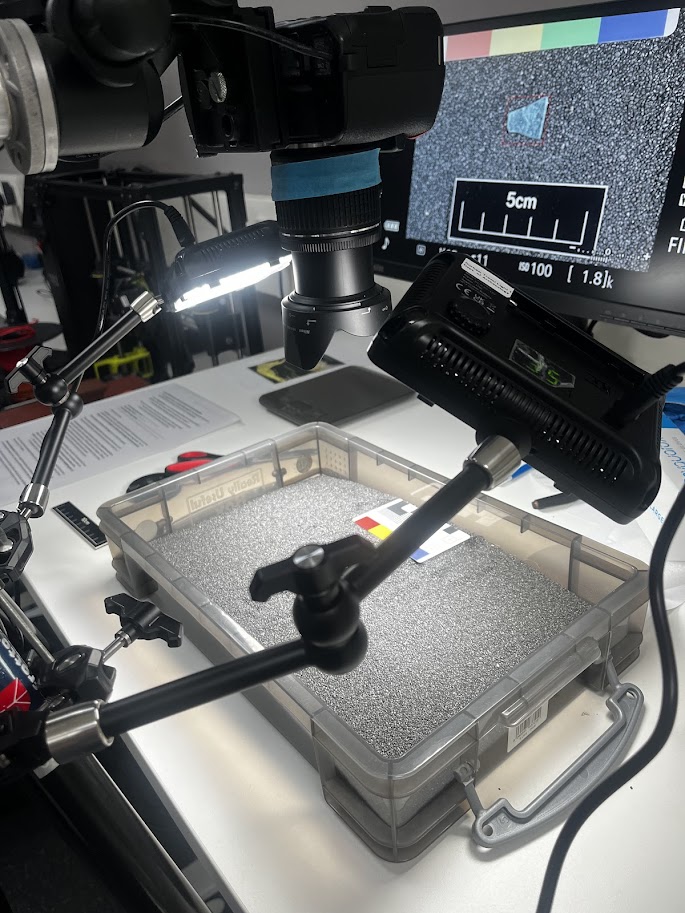
We have fantastic material analysis and photography facilities, which you will have the full opportunity to learn how to use throughout your degree. The proximity to Hadrian’s Wall and the history of the department as a centre for the study of Roman Britain played a part in my decision, along with the knowledge and expertise of my supervisors, Dr Kamal Badreshany and Dr Eleri Cousins.
The variety of module choices was also a factor, as I felt I had the freedom to really tailor my MA to my current research needs.
A good start
If you are relatively new to archaeology, please don’t worry! The Research and Study Skills module at the start of your MA will help you get to grips with the basics of data collection, ethics, GIS and everything you need to hit the ground running.
Your strand and strand meetings will be a useful source of advice and feedback, and please do take full advantage of the discussion space it provides. I was in the Classical strand, which was perfect for my research interests, and I took the Roman Landscapes paper along with a guided study. I hadn’t done much landscape archaeology previously and was interested in seeing how it could augment my interests in trade and the Roman economy.
Guided study
The guided study is fairly unique to Durham, and it allows the student to work with one of the academics to develop their own independent research project. If you are interested in doing this, I would get in touch with either your strand leader or the academic you want to work with as soon as possible. I decided to do a literature review on the techniques of materials analysis on Roman glass materials.
Get involved
The Practical Research and Study Skills class is also somewhat unique. If you have something you’ve always wanted to try out in archaeology (for me, this was 3D imaging), use this paper as your opportunity. You can do a few weeks of placement within the class, which was helpful to me as I could research some of the Roman sites around County Durham.
Outside of the course, there are plenty of opportunities to get involved in archaeology in the department, so do keep an eye out for emails, and don’t be afraid to ask if you see something you’d really like to do. I ended up helping on an undergraduate research project in Ambleside, which was hugely enjoyable, as well as the ongoing glass cataloguing project with Dr David Petts.
So, get involved, work hard, and most importantly, have lots of fun!
Discover more
Feeling inspired? Take a look at our Archaeology Department
Download our latest prospectus and college guide here.
To see more of Durham student life, follow The Durham Student on Instagram, TikTok and YouTube.