
Why Classics?
When I first sifted through all the titles of ancient history degrees, my mind was overwhelmed by the choices. Ancient History, Classical Civilisations, Joint Honours, and Classics. But which one to choose?
Since I was thirteen, I’d fallen in love with etymologies—the word itself derives from the Ancient Greek etymos, meaning true or real, and -logia, meaning the study of—and most of the words I’d found derived from either Ancient Greek or Latin. My school offered neither, so I’d taken French as a close second. In hindsight, they’re not that similar.
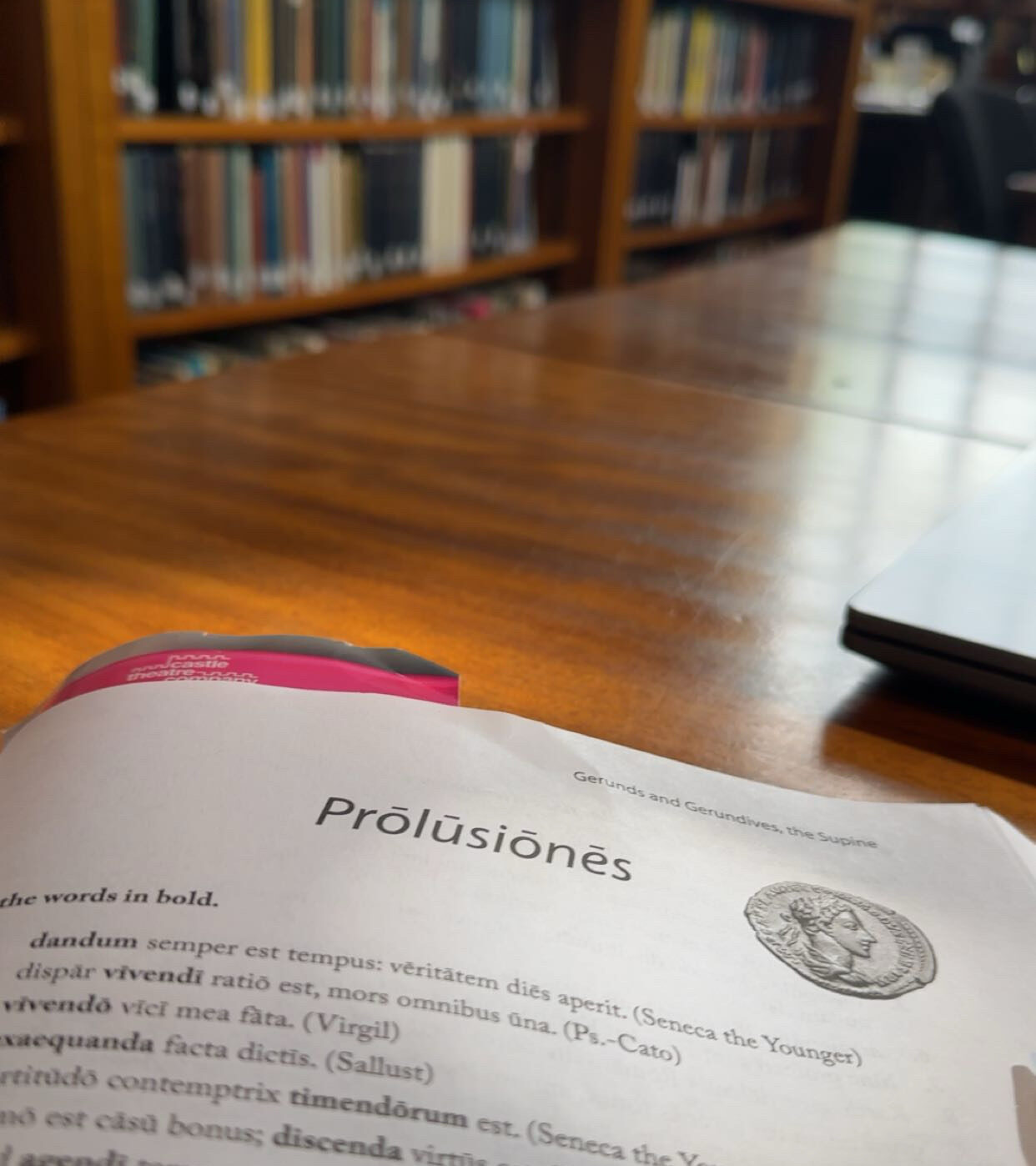
But since then, I’d been desperate to learn the languages of the past: insight into an ancient world where magic and gods were thought to live, even in the mundane. Hence, I chose Classics, the one ancient history degree where a language was compulsory.
Classics at Durham University:
I couldn’t have been more grateful to have chosen Durham for this degree.
Before coming to Durham University, I hadn’t had any access to Classics in my education, unlike other school systems that did, at least touch, on the Romans or Ancient Greeks. At first, I feared that I would be behind my peers who had chosen Classical Civilisations as one of their A-levels; however, Durham used the first year to ensure all students were on an equal playing field. Our lecturers provided the basic information to guide those who were learning these topics for the first time, and on top of that, they mentioned more complex and niche topics too. This allowed everyone to benefit. What I appreciated most? The lecturers never assumed prior knowledge.
The structure of Classics at Durham allows lots of flexibility. Prefer the Romans over the Greeks? No worries, you can focus on them. The other way round? That works too.
Although we are required to cover both the Greeks and the Romans, we are encouraged to research deeper into the topics that interest us. In fact, some courses are based solely on one location over the other, such as the course dedicated to the first emperor of Rome, Augustus, or the other on Greek Art and Archaeology. These are just two options of the very, very many, and those are just Classics-specific courses, but the degree allows you to participate in modules open to anyone.

Durham’s Roman heritage:
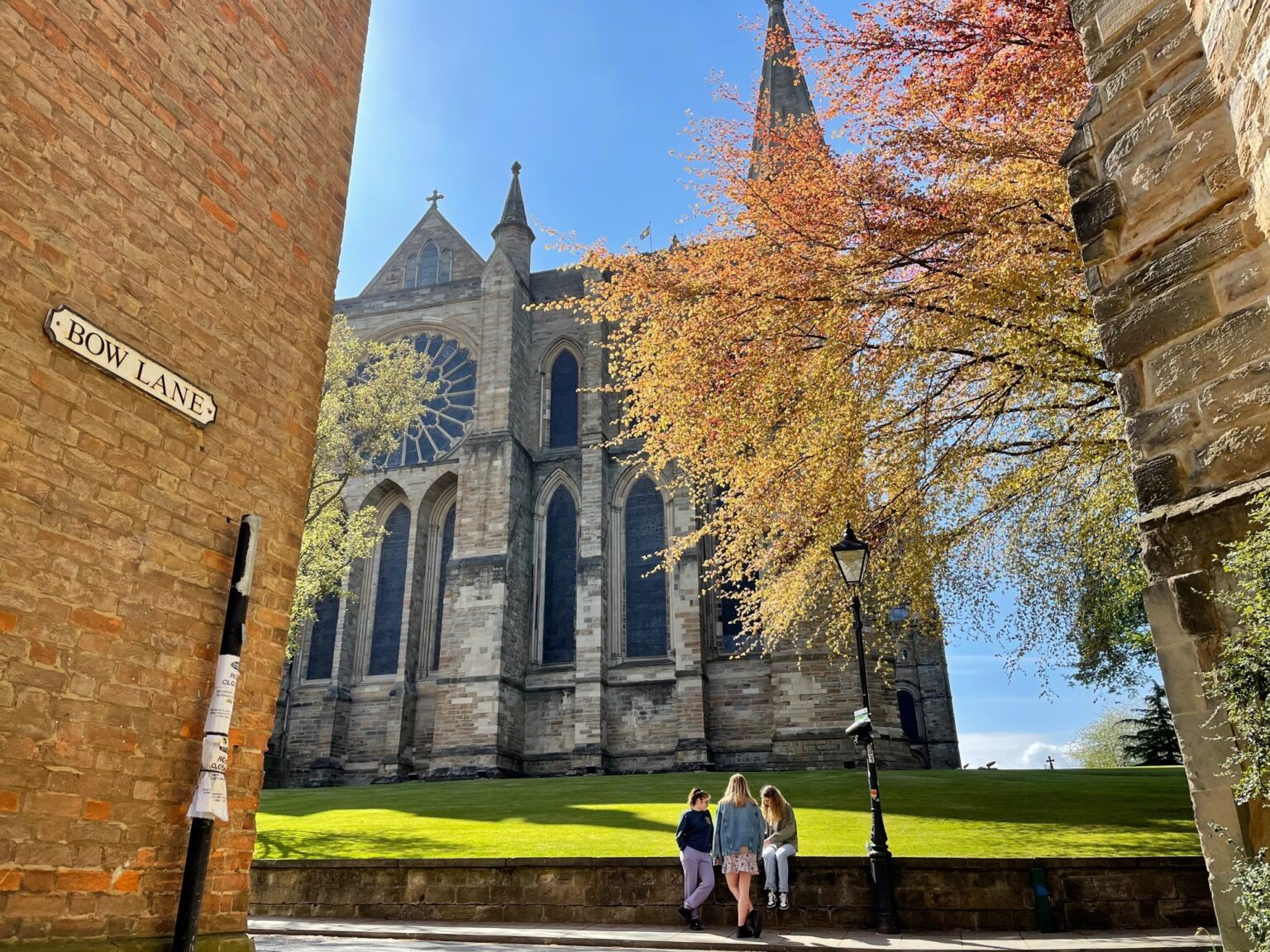
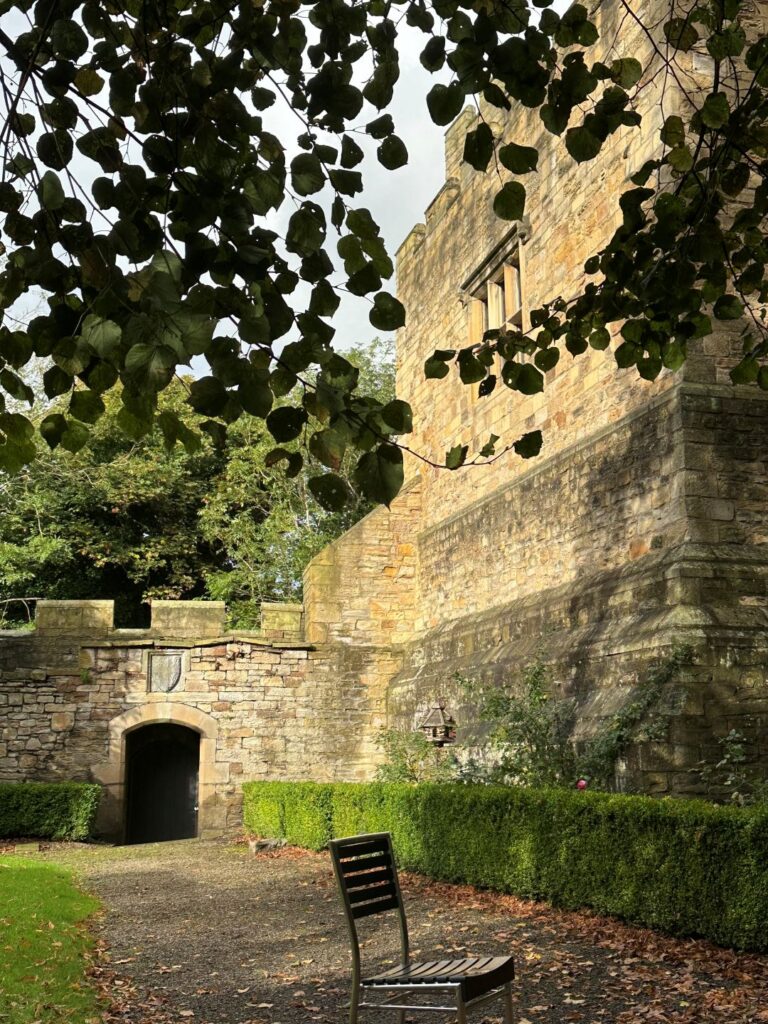
If you’ve ever been to Durham city, you would know that it’s a quaint town laced with bridges over gushing rivers that meander between rain-scented groves. The sky-reaching Cathedral and Castle, both home to study spots, are mere perks to the dark academia aesthetic of any Classics student.
However, it’s Durham’s history with the Roman Empire that makes it a truly unique place to study Classics. Ancient artefacts have been found in and around Durham, and if you head just a little further north, you will find Emperor Hadrian’s Wall.
Conclusion
Classics is a unique study, where you can learn about how different (and how similar) people across time are. Studying in Durham city allows you to touch the magic of the past, and with Durham University, the secrets of an ancient world sit at the tips of your fingers.
Discover more
Create your own personalised prospectus here.
To find out more about student life in Durham, follow our students on Instagram, TikTok and YouTube