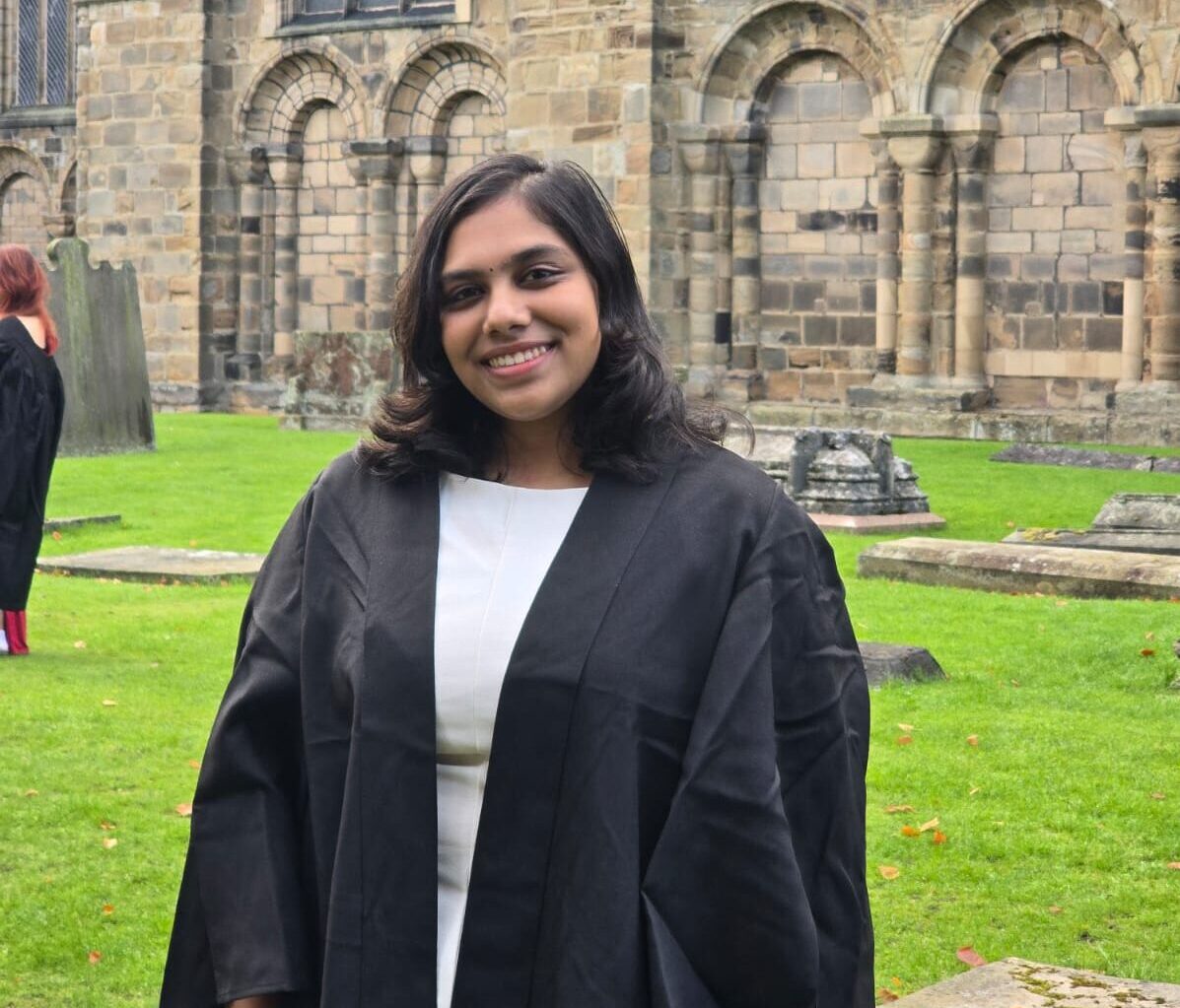
When I first began looking at universities for my Master’s degree, I had a fairly specific picture in my head.
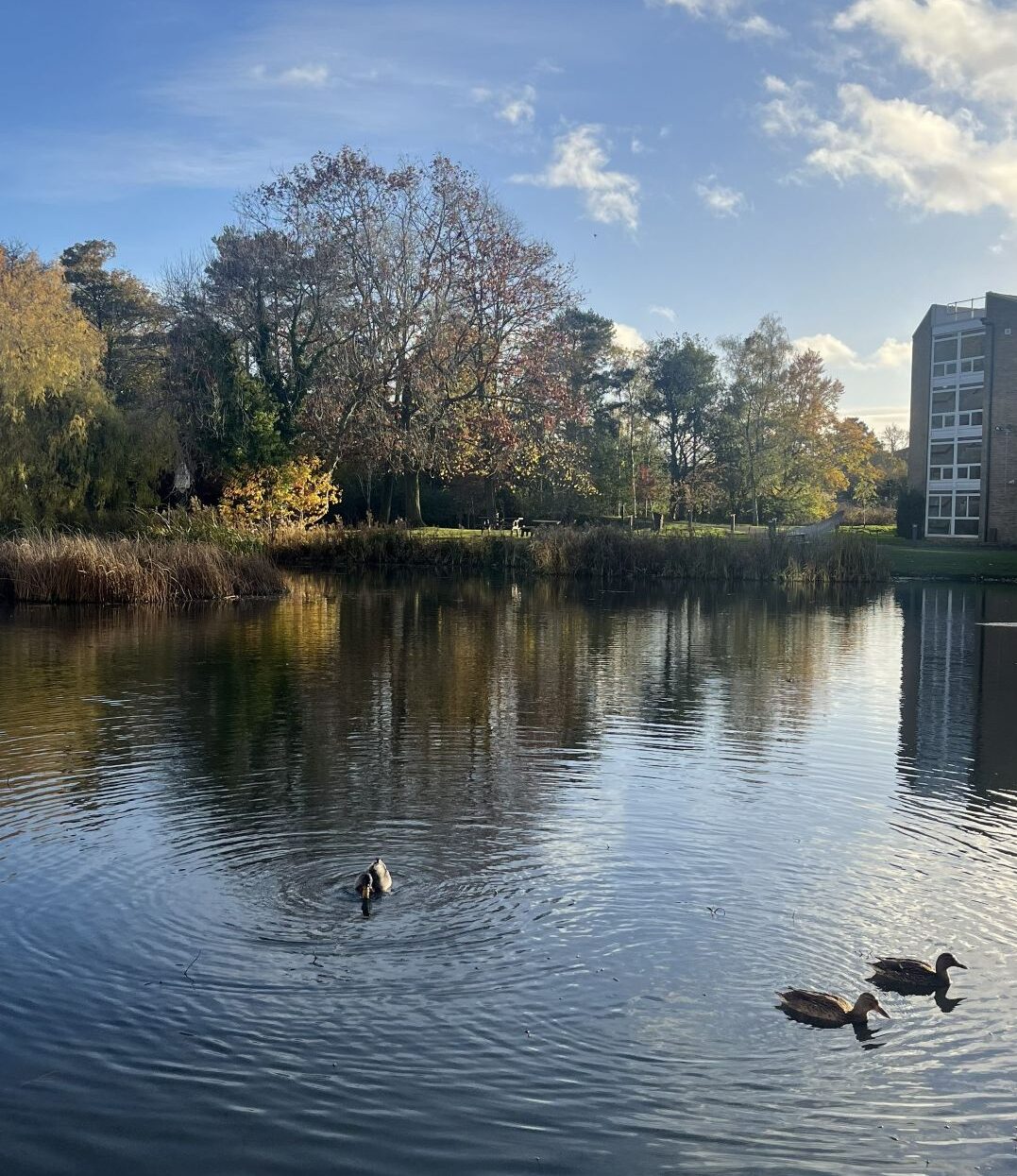
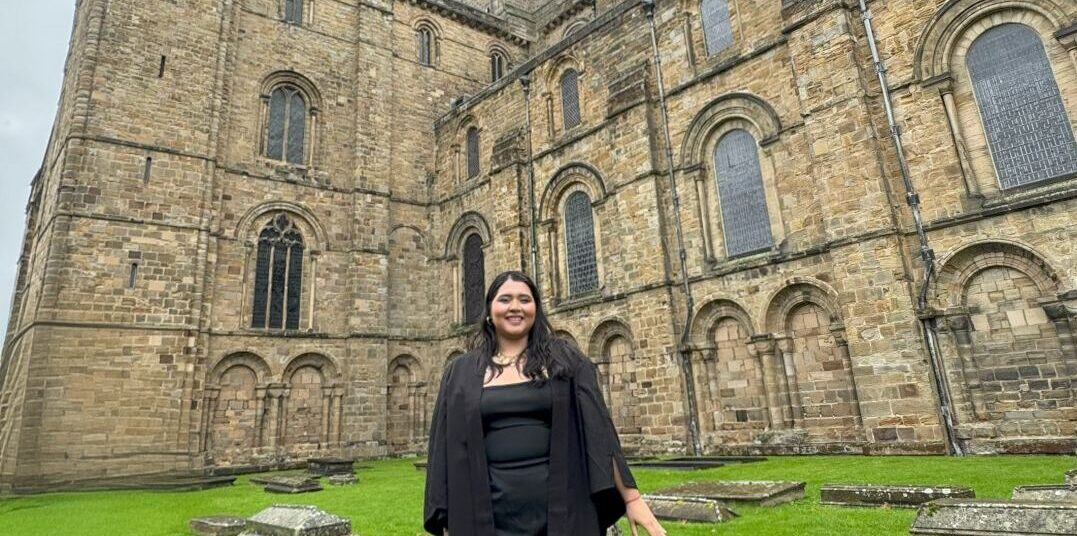
I wanted to study somewhere that felt unmistakably English: beautiful, historic, slightly quiet and almost unreal in the way places in films often are. As childish as it may sound, the Harry Potter-like side of Durham genuinely drew me in. I loved it so much that my personal statement even began with a Harry Potter quote. But the city was only one part of the decision.
Why I chose MSc Business Analytics at Durham
I came from a Computer Science background, and the parts of my degree I had enjoyed most were always data science and machine learning. At the same time, I was equally curious about the parts of business that were not purely technical: leadership, strategy, decision-making, and how organisations actually use data.
I didn’t want to leave technology behind, but I also didn’t want my future limited to building models without understanding the business questions behind them. Business Analytics felt like the meeting point I had been looking for.
Durham’s programme stood out because it offered that balance in a way that felt almost tailor-made for me. It had the technical side I wanted, including a dedicated Natural Language Processing module, which was relatively uncommon among the universities I considered. It also offered the opportunity to study leadership, strategy and broader business thinking.
Then there was the international field trip. The idea of travelling to another country and studying there for an entire week felt almost too good to be true. It was one of those details that made the programme feel larger than a collection of lectures and assignments.
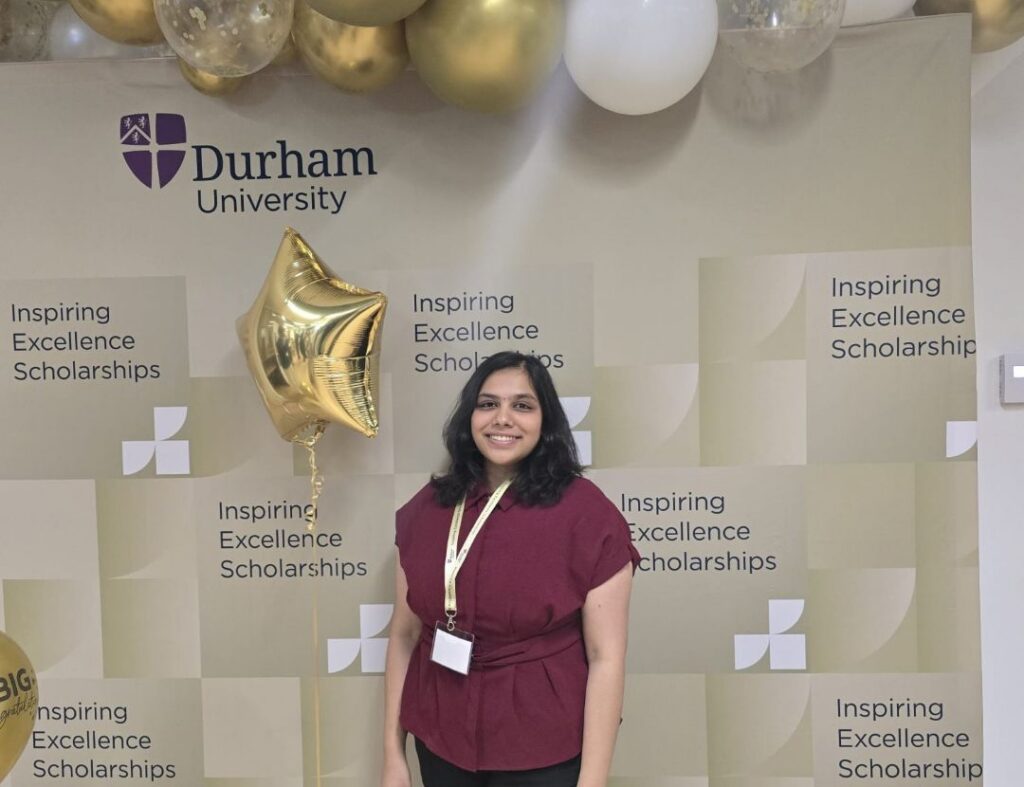
How the Inspiring Excellence Scholarship made my decision even more special
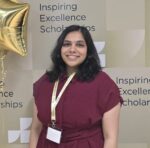
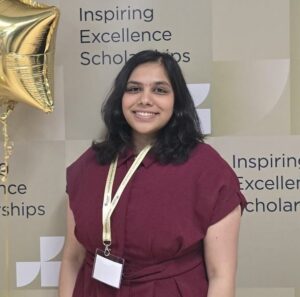
Receiving the Inspiring Excellence Scholarship made the decision feel even more special. Beyond the financial support, being recognised by Durham before I had even begun the programme gave me a real sense of confidence and excitement. It made me feel the university saw potential in me, and it became another reason I felt certain Durham was where I wanted to study.
How the MSc Business Analytics programme brought technology and business together
When I finally arrived, the course was surprisingly close to what I had imagined.
The balance was almost exactly right for me: technical enough to build on my Computer Science background, but broad enough to challenge the way I thought about business. If I had to describe it, it felt roughly like a 60:40 split between technical and business-focused learning, which was precisely what I had hoped for.
What I had not expected was how much the teaching itself would stay with me. Some lecturers, particularly during my first term, shared insights so valuable I wanted to write down almost every sentence. Some classes did more than teach me a tool or a framework; they made me look at a familiar problem from an entirely different angle.
One of my favourite modules was Learning from Data. I loved the way it was taught, with the right pace and a balance between lectures and practical lab sessions. It made technical learning feel structured, not overwhelming.
I also particularly enjoyed a leadership assignment on British Airways in the Introduction to Business Analytics module. What stayed with me was not simply what I learned about the company, but the way the assignment pushed me to think. It made me consider the same problem from multiple perspectives instead of searching immediately for one correct answer. That shift became one of the most important lessons of the degree.
Before Durham, I often treated exploratory data analysis and data preparation as work to be completed before reaching the “real” solution. I was usually more interested in getting to the machine-learning model. The programme taught me that the model is not automatically the most important part. Sometimes, understanding the data properly is the solution. Sometimes, the patterns you discover before modelling matter more than the model itself. Sometimes, the most useful analytical decision is recognising that the original question needs reconsideration. That shift in perspective has influenced how I approach almost every project now.
What I learned from the international field trip to Switzerland
The moment when all these parts of the degree came together most clearly was during the international field trip to Switzerland. The week moved constantly between different versions of student life. We visited organisations and attended professional sessions, but we also travelled, explored and experienced a completely different environment together.
The highlight was a two-day hackathon. My team chose a difficult multimodal retrieval-augmented generation challenge involving several long and complex PDF documents. We had to create a system that could locate information across both written content and visuals and use it to answer a set of questions accurately. At the beginning, our solution was nowhere near the top of the leaderboard. We kept working. We changed the retrieval process, experimented with visual information, examined neighbouring pages and added ways to validate and repair answers. Every improvement raised the score slightly. By the end, our system answered 37 out of 40 questions correctly, and we finished at the top of the leaderboard. What made the experience meaningful was not simply winning. It was seeing how much we could learn in two days by building, failing, questioning our assumptions and trying again. It felt far closer to real analytical work than completing a perfectly structured classroom exercise. The problem was messy, the first solution wasn’t good enough, and we had to discover the path forward ourselves.
Outside the hackathon, the week also gave me memories I never expected to associate with my degree. I visited organisations in formal business clothes, swam in a Swiss lake, climbed a mountain and travelled through Switzerland and France. At several points, I remember thinking that it was slightly ridiculous that all of this counted as part of my Master’s programme. That field trip captured what I valued most about Durham: learning that did not remain confined to one classroom or one way of thinking.
How careers support helped me take the next step
The same was true of the opportunities I found outside the programme. During the year, the university Careers team circulated an Assistant Data Analyst opportunity with Stanley Black & Decker. The email mentioned that Eddie, a former MSc Business Analytics student, had joined the company in 2023. As an international student, the UK recruitment process often felt unfamiliar. I knew how recruitment generally worked in India, but I arrived with very little understanding of how CVs, interviews, professional communication and applications were approached here.
The Careers team helped make that world far less intimidating. They helped me improve my CV and LinkedIn profile, connected me with employers through careers fairs, and ran practical sessions on interviews and group discussions. The sessions were hands-on rather than purely theoretical, which made them especially useful. I learned how to structure interview answers using the STAR method, but more importantly, I learned how to structure my thinking. The team encouraged us to look at problems from different angles, question assumptions and notice information we might otherwise overlook. Those habits helped throughout the recruitment process, which involved CV screening, an interview and a practical task.
When I eventually received the offer, I was completely over the moon. I had heard repeatedly how difficult it was for an international student to secure a role in the UK before graduating, particularly without extensive prior work experience. For a long time, it had sounded almost impossible. Securing the role before completing my degree felt like proof that it wasn’t impossible after all. The position is within the Global Customer Feedback and Quality team and combines several areas I enjoy: analysing customer feedback, developing models and building dashboards. It brings together the technical and business-facing sides of analytics in almost the same way the Master’s programme did.
Making the most of opportunities beyond the classroom
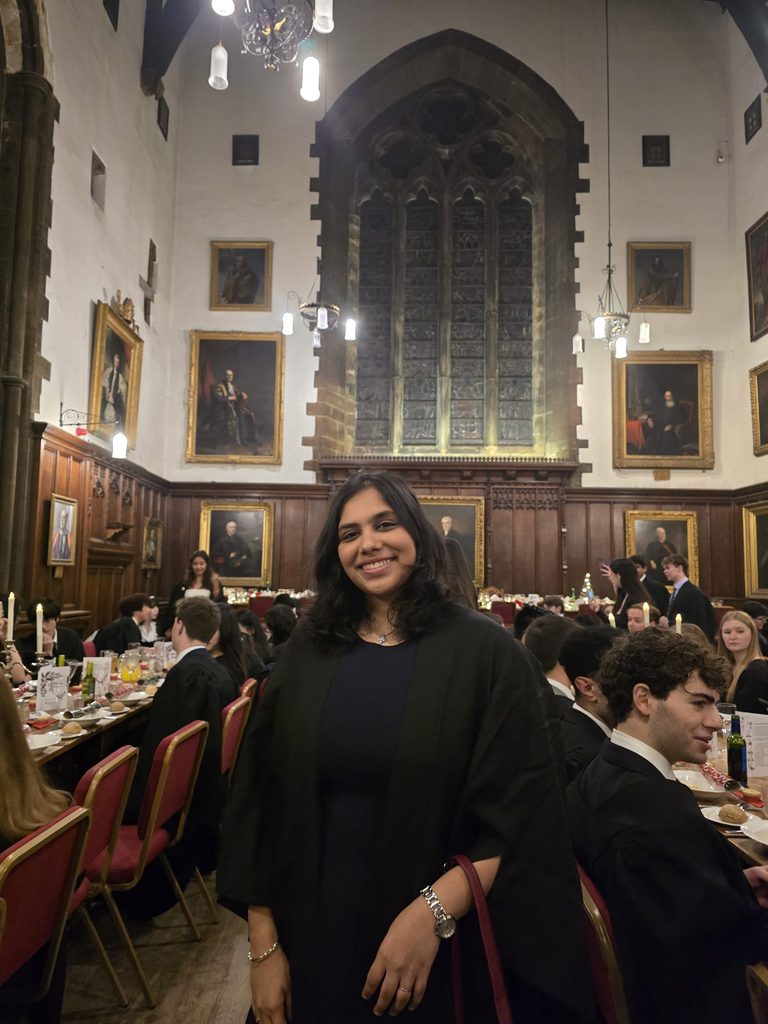
That sense of balance followed me into the other roles I took on at Durham too. I was elected as a Class Representative because leadership had always been something I naturally gravitated towards. Alongside my co-representative, I acted as a link between students and the programme team, raising concerns about timetables and module pacing. The role gave me a perspective I hadn’t had before. As a student, it is easy to assume that a particular change should be simple. Speaking with programme leaders helped me understand that course decisions often involve limitations, competing priorities and reasoning that may not be immediately visible from the student side. The role wasn’t dramatic, and it didn’t need to be. Its value was in helping close that small gap between the people experiencing the course and the people designing it.
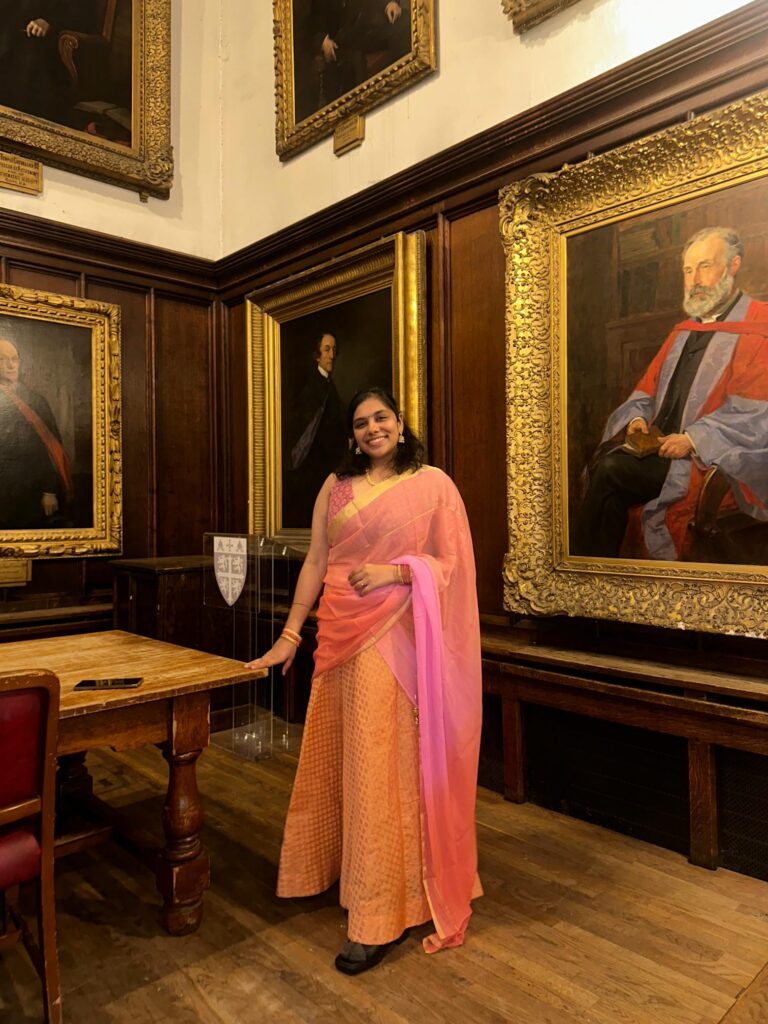
At University College, I also served as MCR Charities and Environment Officer. I helped organise and deliver several events, and although the role was fairly straightforward, it made me think more consciously about environmental and charitable issues than I had before.
I also became a Postgraduate Ambassador, supporting open days and speaking with prospective students and their parents. One of the most interesting parts was seeing how differently people approached the decision of which university to choose. Students and families from the UK often focused on different questions than Indian families. The same institution could be evaluated through completely different priorities depending on culture, expectations and personal circumstances. It reminded me of the version of myself who had once been on the other side of those conversations, trying to decide whether Durham was the right place.
What I would recommend to future MSc Business Analytics students
Looking back now, I realise that I chose Durham because I was searching for balance. I wanted technical learning without losing sight of business. I wanted academic challenge, but I also wanted the experience of studying somewhere beautiful and historic. I wanted a degree that would prepare me for work, but I also wanted a year that felt bigger than job preparation. In many ways, that is exactly what I found.
The year was not perfect. Studying abroad is often presented through its most picturesque moments, but it also has difficult parts. The winter break, for example, was far less romantic than I had imagined. But those moments belonged to the year too. They sat alongside excellent teaching, new friendships, international travel, the hackathon, student roles, career support and eventually a job offer.
For anyone considering the MSc Business Analytics programme, I would recommend arriving with a reasonable foundation in machine learning. The course can become intensive, and I found it most valuable when I treated it as a significant addition to my existing technical knowledge rather than a complete introduction from scratch.
More than anything, I would recommend being open to what happens around the degree as well as within it.
Some of the most valuable lessons came from lectures. Others came from struggling through a hackathon problem, speaking to prospective students, representing my classmates or learning how to navigate an unfamiliar job market.
I came to Durham looking for the place where technology and business met. I found that place in the programme. But somewhere along the way, I also found my place within it.
Discover more
Take a look at MSc Business Analytics
Download our latest Masters guide here.
Find out more about our Masters scholarships here.
To see more of Durham student life, follow The Durham Student on Instagram, TikTok and YouTube.