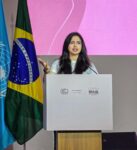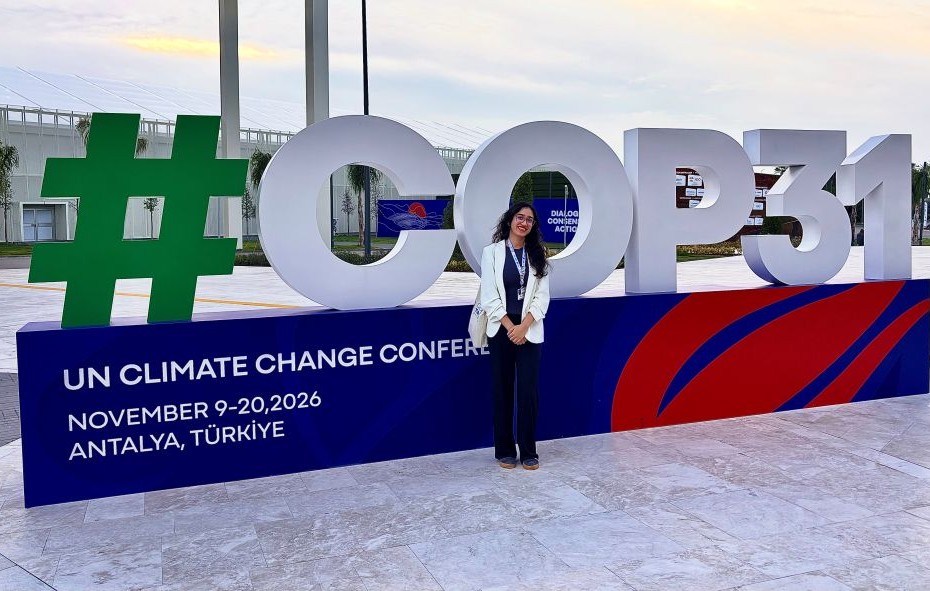
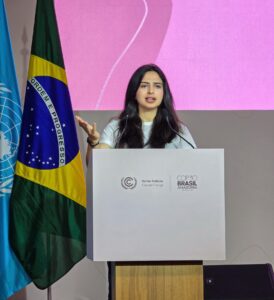
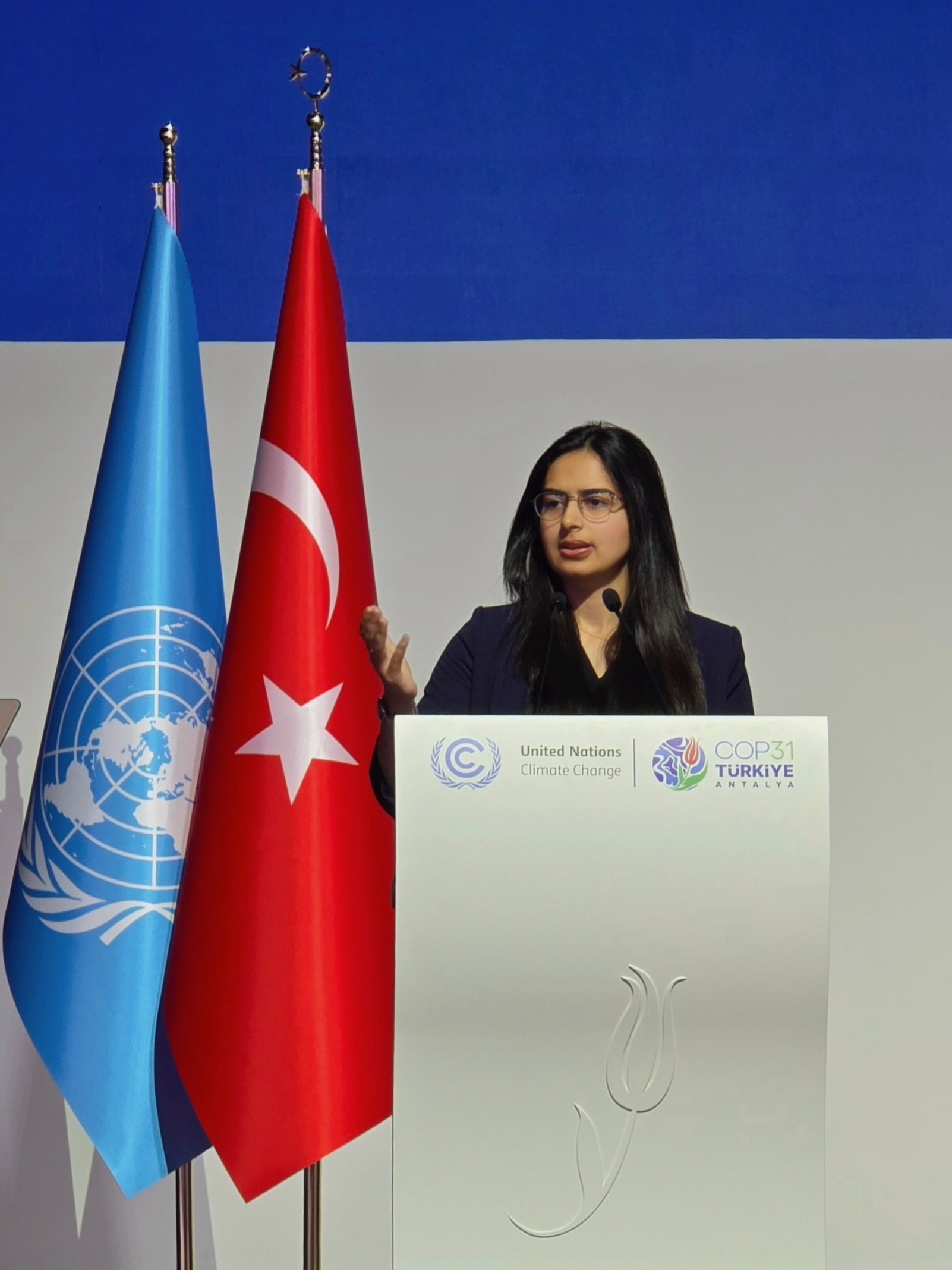
Last year, I attended my first United Nations Climate Change Conference (COP30) in Belém, Brazil. It was an experience that gave me a completely different perspective on international climate action, particularly the complexity of bringing countries together to address challenges that affect us all. A year later, I found myself attending COP31 in Antalya, Türkiye, with a little more experience, a better understanding of the process, and a growing appreciation for how international climate policy works in practice.
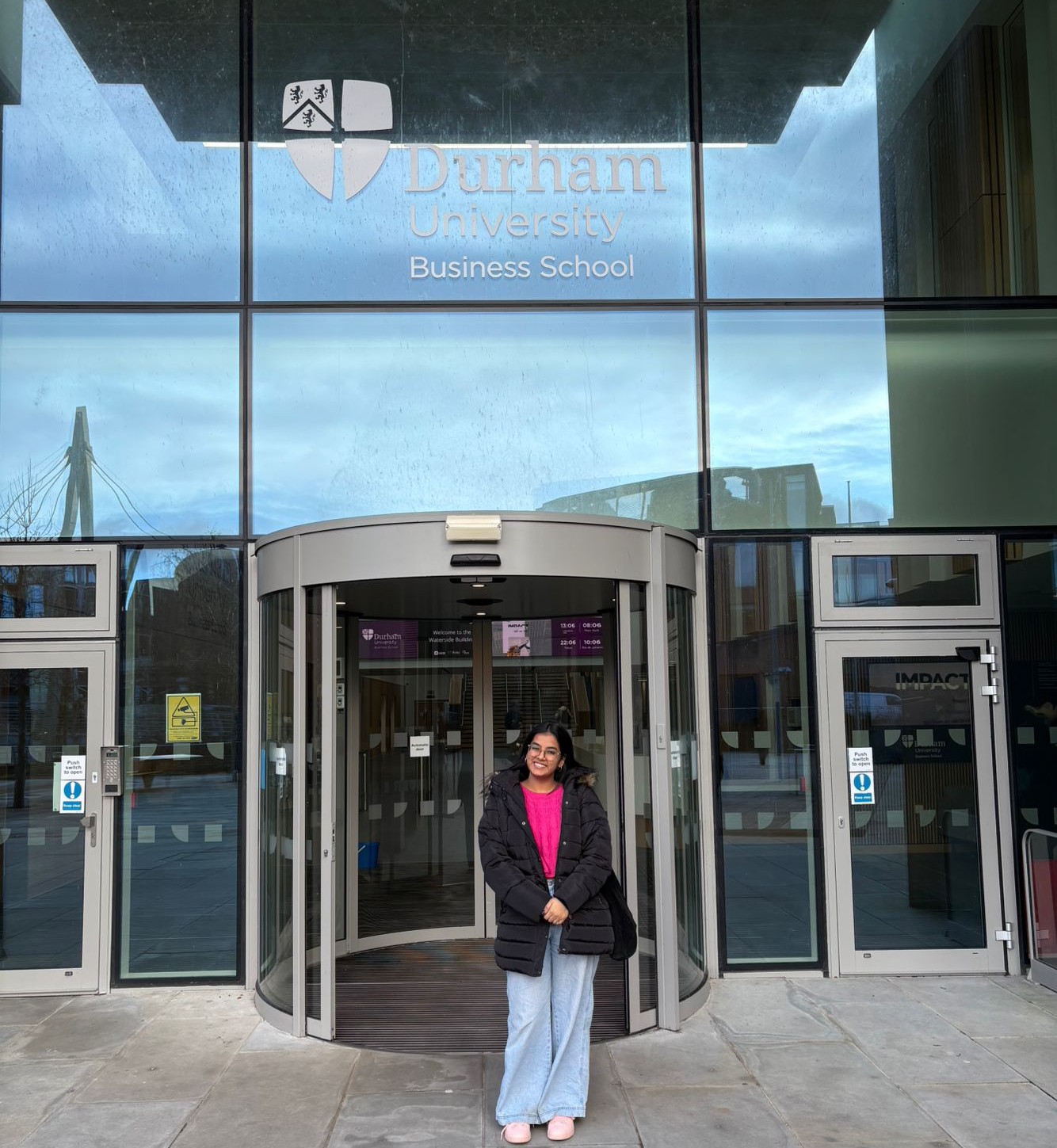
As a student at Durham University Business School, having the opportunity to attend two consecutive COP conferences has been an important part of my university experience. What began as an interest in sustainability has gradually developed into something I have been fortunate enough to explore through academic work, professional experiences and international engagement.
Returning to COP: A Different Perspective
Attending COP31 felt quite different from my first conference in Brazil. At COP30, much of my time was spent observing, learning and understanding how the negotiations and various events worked. This year, I had the opportunity to become more actively involved in discussions and engagements taking place throughout the conference.
COP brings together representatives from governments, international organisations, businesses, universities and civil society. While the conference is often associated with world leaders and major climate announcements, there is much more happening behind the scenes. Negotiations, technical discussions, bilateral meetings and smaller events all contribute to the wider process.
One of the things I find most interesting about COP is the diversity of perspectives. Countries approach climate change from very different economic, geographical and political circumstances. For some, the immediate concern is reducing emissions, while for others, adapting to the impacts of climate change is an urgent priority.
Being able to listen to these different perspectives and understand the reasoning behind them has been one of the most valuable parts of attending.
From the Classroom to International Climate Discussions
During COP31, I was involved in a range of activities through my engagement with Pakistan’s Ministry of Climate Change and the Federal Minister’s Office. These included attending negotiations, participating in discussions, supporting events and engaging with representatives from different countries and organisations.
Two areas that particularly interested me were glacier preservation and electrification.
Glacier preservation is especially important to Pakistan, where mountain communities depend heavily on glacial water systems. Having family roots in Gilgit-Baltistan, this is also a subject that feels particularly close to home.
Earlier this year, I had the opportunity to visit locations in Gilgit-Baltistan to observe and test early warning systems designed to help communities respond to climate-related hazards. Seeing these systems on the ground helped me understand how policies and projects discussed at an international level eventually affect communities.
At COP31, it was interesting to see glacier preservation being discussed within a much broader international context, particularly alongside countries facing similar challenges in mountainous regions.
Electrification was another important area of discussion, particularly in relation to sustainable transport and infrastructure. These conversations highlighted how climate action is not simply about environmental protection but also about economic development, investment, technology and long-term planning.
Studying Business and Management at Durham has helped me appreciate these connections. Many of the issues discussed at COP involve decisions about resource allocation, organisational strategy, finance and cooperation between different stakeholders.
It has been fascinating to see concepts that I have encountered in lectures and seminars being applied to real international challenges.
Inside the Conference
One of the highlights of COP31 was being involved in engagements within the conference’s Red Zone, including an event focused on glaciers and international cooperation.
The event brought together representatives from countries with shared interests in glacier preservation and climate resilience. I also had the opportunity to host part of the programme, which was a particularly memorable experience.
Beyond the formal programme, much of my time was spent attending meetings, discussions and events at the Pakistan Pavilion and across the wider conference.
I also had opportunities to engage with representatives from international organisations and government delegations, hearing about different approaches to climate policy, development and adaptation.
What stood out to me was how much of the conference depended on conversations outside the main negotiating rooms. Some of the most interesting discussions happened during smaller meetings or informal exchanges between sessions.
These conversations provided a better understanding of the practical challenges countries face when trying to translate climate commitments into action.
They also reinforced something I have gradually come to appreciate: international cooperation is rarely straightforward. Countries have different priorities, resources and responsibilities, and finding common ground requires considerable patience, negotiation and compromise.
The Durham Connection
My experiences at COP30 and COP31 have also made me reflect on how much my time at Durham has contributed to my interests beyond university.
Through Durham University Business School, I have developed a stronger understanding of the relationship between business, sustainability and public policy. Although these subjects are often discussed separately, my experiences outside the classroom have shown me how closely connected they are.
I have also been fortunate to engage with Durham’s Centre for Sustainable Development Law and Policy, whose work brings together important perspectives on sustainability, governance and international cooperation.
Meeting people from different academic and professional backgrounds has encouraged me to think beyond the boundaries of a single discipline.
One of the things I particularly value about Durham is the opportunity to explore interests outside my degree. Whether through university activities, professional experiences or independent projects, I have found that some of the most meaningful learning happens when classroom knowledge is combined with practical experience.
Attending COP has been a good example of this. It has allowed me to approach my academic studies with a different perspective and to connect what I am learning with wider global developments.
Looking Back and Moving Forward
Looking back at the past two conferences, I think the biggest change has been in how I understand climate action.
Before attending COP30, I largely associated international climate conferences with major agreements, speeches and commitments. While these remain important, I now have a much greater appreciation for the work that takes place between announcements.
The process involves countless discussions, competing priorities, technical considerations and negotiations that are not always visible to those following the conference from outside.
It has also made me realise that meaningful progress requires contributions from many different sectors. Governments have an important role, but so do businesses, researchers, universities, local communities and young people.
For students interested in sustainability or international affairs, I think it is important to remember that there is no single route into these fields. Opportunities to contribute can come through research, volunteering, internships, university societies or simply taking the initiative to explore something that interests you.
As I return to Durham following COP31, I am looking forward to bringing these experiences back into my studies and continuing to learn more about the relationship between climate policy, business and sustainable development.
I am grateful to everyone who has supported and encouraged me throughout these experiences, including those at Durham University who have helped me explore opportunities beyond the classroom.
Attending COP31 has been another reminder of how much there is still to learn, and how valuable it can be to step outside familiar environments, meet people with different perspectives and experience international discussions firsthand.
From Belém to Antalya, the past year has been an incredibly interesting learning experience, and I look forward to seeing where these interests take me next.
Discover more
Find out more about Durham University’s involvement in COP31
Take a look at Zonash on LinkedIn
Read more from Zonash at COP30
Create your own personalised prospectus here.