
Do you have to love heritage to protect it?
I would humbly say “No”. There are many different pathways into this field, and a wide range of professionals contributing to the identification, protection, and management of heritage. I am not necessarily a heritage enthusiast driven by a passion for monuments or artefacts. Rather, I am interested in the process – someone who sees the values embedded in heritage, works to manage it responsibly, and connects it to future agendas. In today’s world, heritage is no longer seen simply as something to preserve; it is increasingly understood as a dynamic process, closely linked to the global conversations on cultural, social, economic, political, and environmental agendas.
Transforming Heritage Governance in Myanmar and Southeast Asia
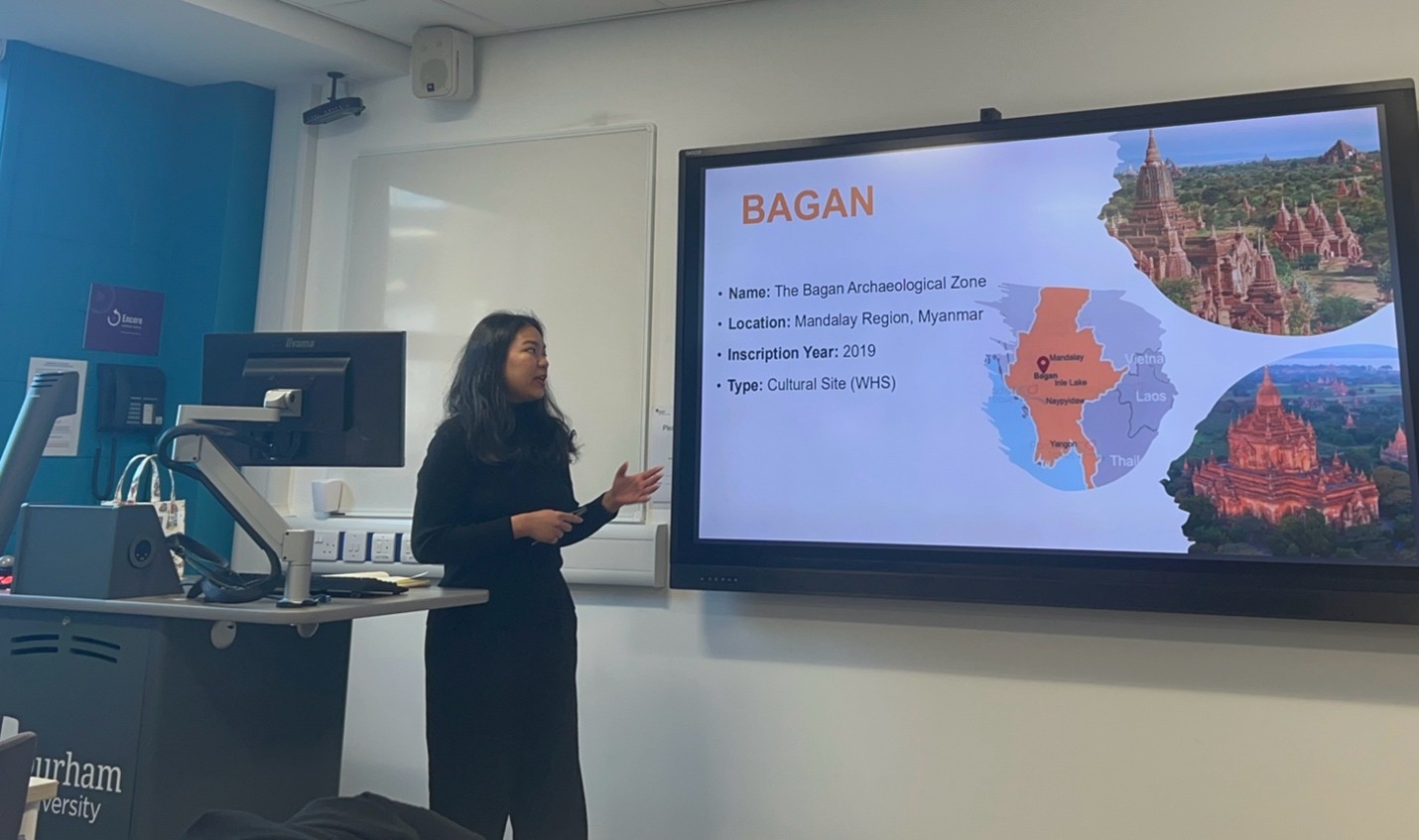
Coming from Myanmar, a country rich in both tangible and intangible heritage, yet often shaped by ongoing conflict and a traditionally centralised heritage governance system, I have witnessed firsthand the challenges in advancing towards modern heritage management. On a national level, we are still at the stage where we admire the beauty of heritage sites and practices, but take limited action to preserve or safeguard them, use them sustainably in the present, or connect them meaningfully to future generations. My long-term goal is to transform Myanmar’s heritage governance (and broadly across Southeast Asia) into a more modern, regionally connected, and globally aligned system. I hope to advocate for a better alignment between national interests and global frameworks in the identification, protection, and management of cultural heritage.
Leadership and impact at the heart of Chevening
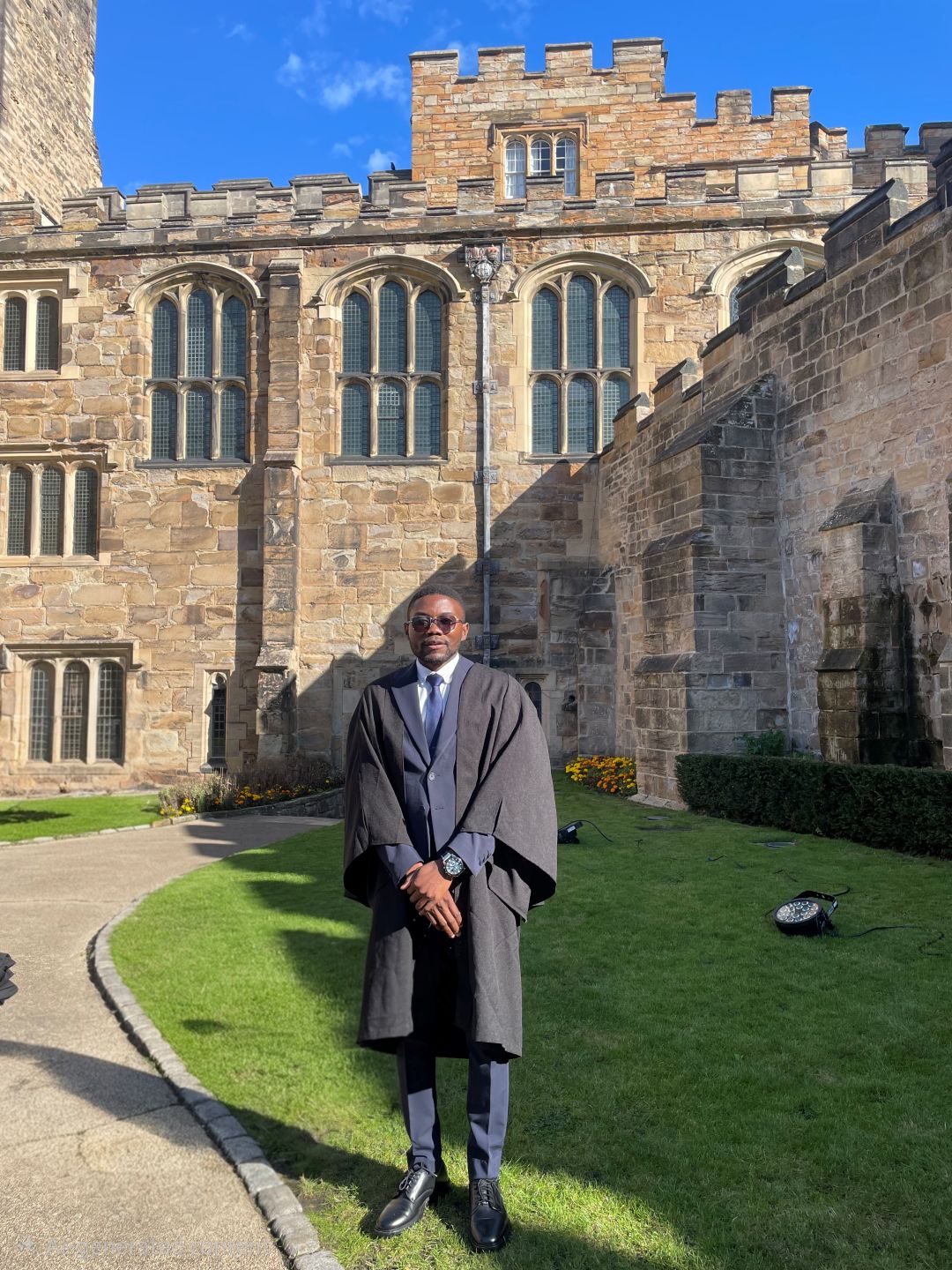
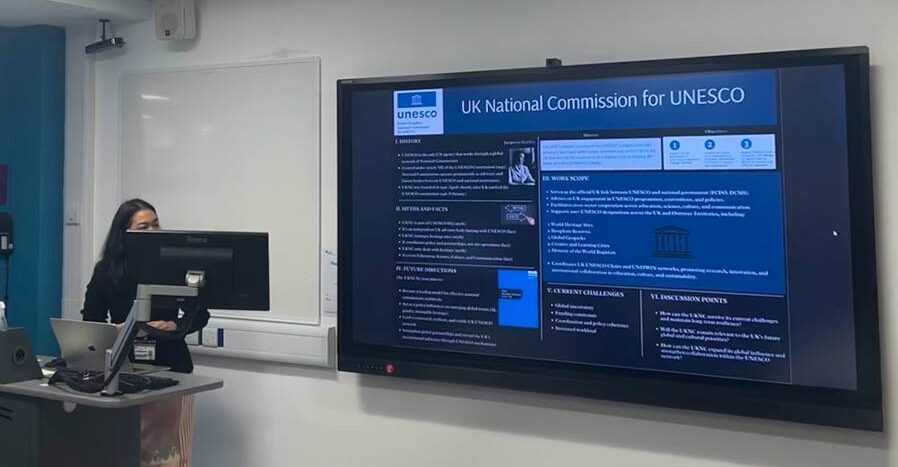
As a Chevening scholar, strengthening leadership skills lies at the heart of my decisions. I wanted to pursue a programme that would not only teach me ‘how’ to work in the field but also teach me ‘why’ to empower the transformational mission I carry for my country. The MA in International Cultural Heritage Management at Durham University was my first choice in my Chevening application. The programme is part of the UNESCO Chair in Archaeological Ethics and Cultural Practice, and offers a strong emphasis on international case studies, UNESCO cultural conventions, and the Sustainable Development Goals (SDGs), all of which are essential in governing today’s heritage management. Through this programme, I have gained real-world skills in producing and engaging with stakeholder engagement strategies, project management frameworks, scenario planning, and management plans. These are essential tools that I will apply when leading cultural heritage projects back home in a more effective and informed way.

Building skills and perspectives
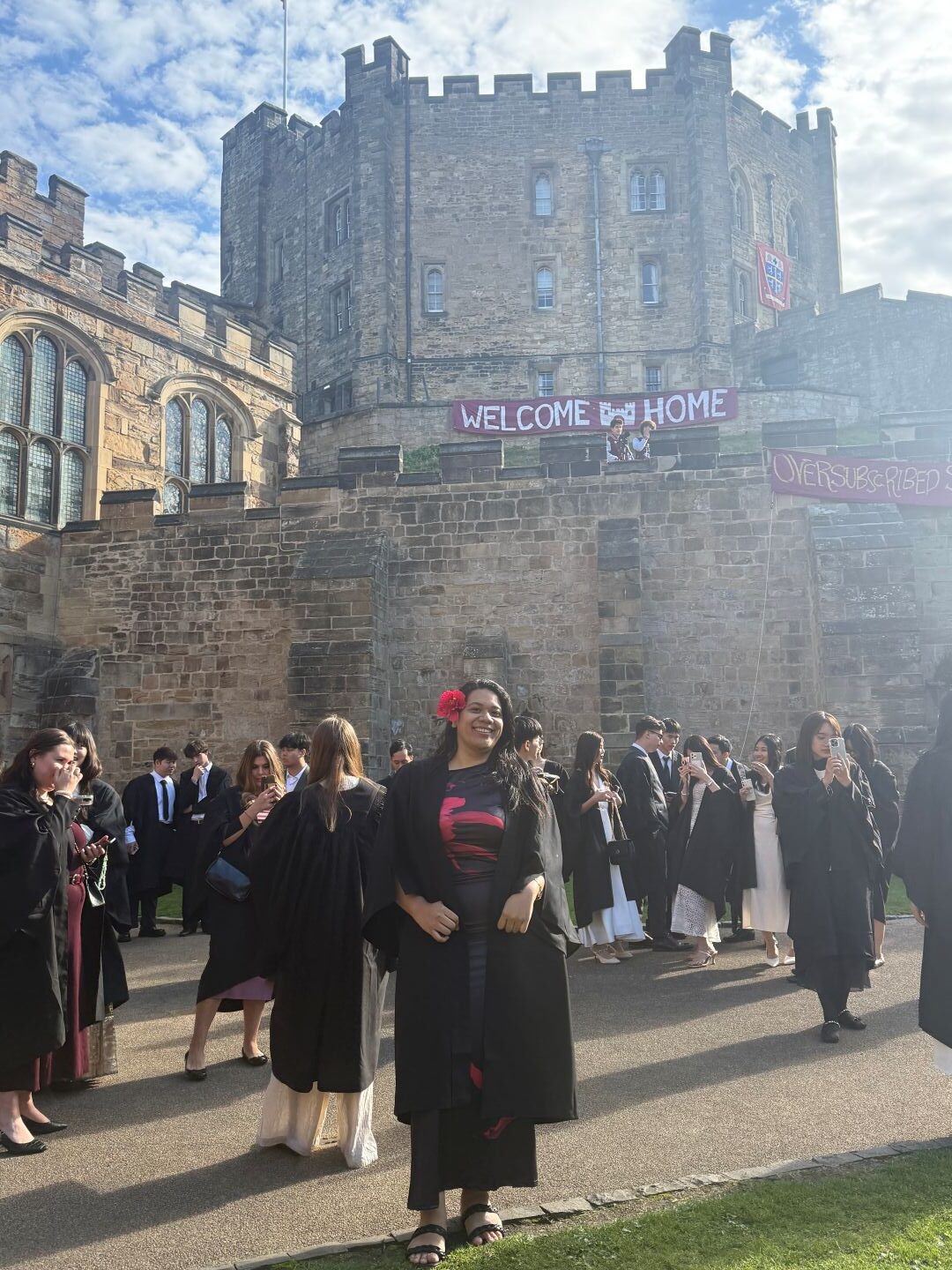
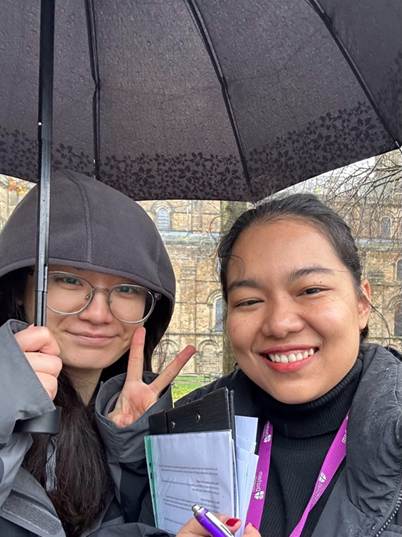
I particularly value how studying a master’s degree allows me to engage in deeper research on the issues I care about, and the chance to contribute to scholarly debates as a voice from Myanmar. I have also appreciated the opportunity to contribute to projects and activities related to the Durham World Heritage Site through hands-on work. As a Chevening Scholar, my goal is not only to bring knowledge and skills back to my home country but also to contribute meaningfully to the UK during my time here. I find it deeply enriching to fulfil this mission by studying and living at a World Heritage site. It always helps me think comparatively about how heritage management systems differ between contexts, and what lessons can be shared across them.
Beyond the classroom
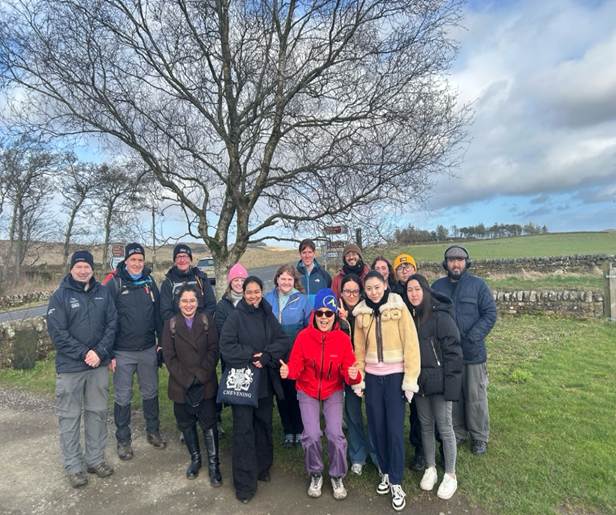
Through guest lectures and interactions with heritage organisations, including Blue Shield, the National Trust, Historic England, World Heritage UK and many others, I have also gained well-rounded perspectives on the UK’s heritage management system, current challenges, and future visions. It has also been a great experience to learn outside of the classroom, particularly through field trips to cultural and natural World Heritage Sites across the Northeast of England. Equally enriching is the opportunity to learn alongside classmates from across the world, each bringing their own perspectives on heritage management practices and governance systems. These diverse viewpoints make classroom discussions especially dynamic and insightful.
For future Chevening Scholars
There is a beautiful concept in my culture about sharing and thinking of others when you are having a good time. With that in mind, I would definitely recommend my programme at Durham University to future Chevening Scholars who are passionate about understanding the complex nature of heritage through international perspectives and global frameworks. I am sure you will have a unique opportunity to study and contribute at a global level while living within the beautiful World Heritage Site of Durham – something you should absolutely not miss for your life-changing journey.
Discover more
Find out more about Chevening Scholarships – Durham University
Create your own personalised prospectus here.
To find out more about student life in Durham, follow our students on Instagram, TikTok and YouTube