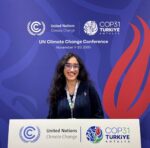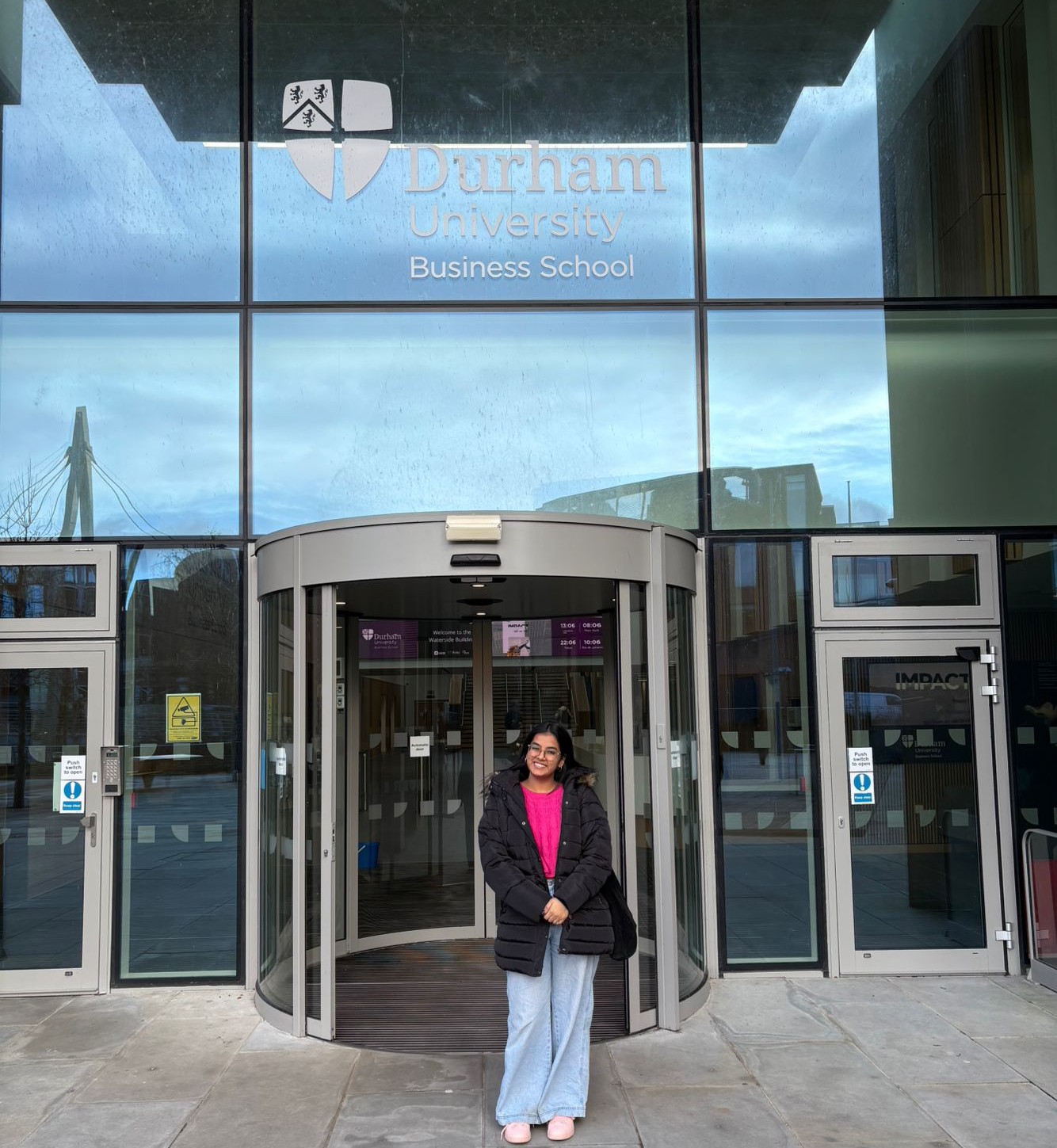
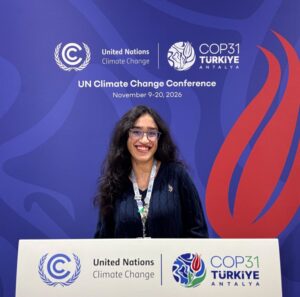
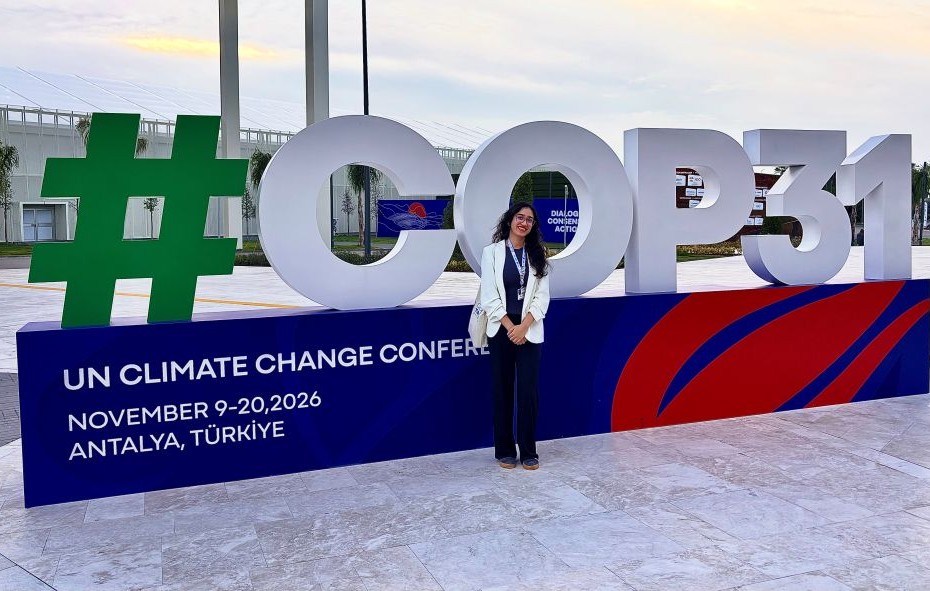
When I first joined Durham University, if you had told me I would be attending COP31, the largest international climate conference, I would have thought you were joking.
In a week, I went from chilly mornings in Durham to sitting at the forefront of global climate negotiations. Earlier this year, I was elected Secretary of the Durham Student Energy Society, and through my work with the society, I was selected to attend COP31 as a delegate through the international NGO ‘Student Energy’, of which Durham is a chapter.
Türkiye was a brilliant host country for the conference. Located in West Asia along the Mediterranean Sea, Antalya sits in a region already experiencing severe climate impacts, making it a powerful location to host global climate talks.
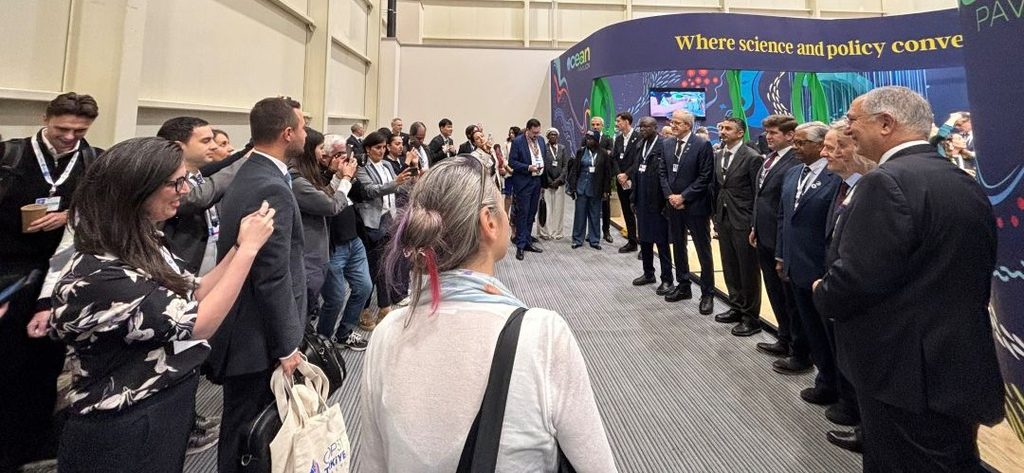
Stepping into the heart of diplomacy
As soon as I stepped inside, I was surrounded by government ministers, youth activists and researchers from every corner of the world. Seeing so many nations gathered under one roof to tackle climate change was beyond my wildest imagination.
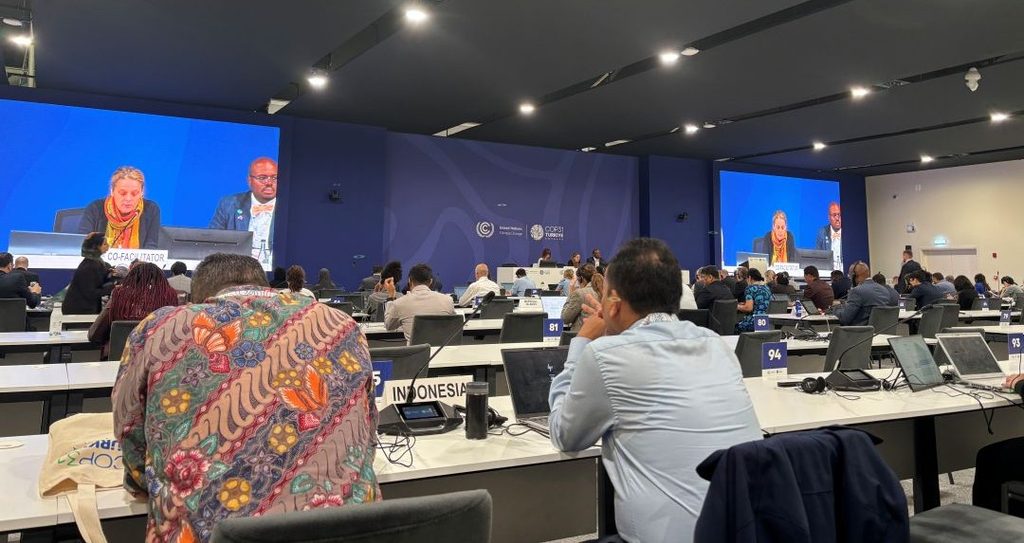
Holding an observer badge meant that I got to sit inside the actual negotiation rooms. Watching global policy documents get reviewed word by word right in front of me was an unforgettable experience. Standing among such accomplished people, it was easy to feel out of place at first. Yet, the decisions being made in those rooms directly shape the future my generation is destined to inherit making it vital that young people have a say in those decisions.
Behind closed doors: How countries negotiate
Stepping inside the rooms where nations negotiate the future of the Paris Agreement wasn’t a scripted performance I had imagined. Instead of dramatic speeches, global diplomacy came down to countries analysing every paragraph word by word, debating over the placement of a singular bracket. Although it seemed slow, the room was filled with so much emotion. Watching them go back and forth over individual words was like watching several people try to complete a jigsaw puzzle, but arguing over which pieces go where, and which pieces are the most important.
Sitting in a room watching history unfold in front of me, I thought to myself, “I’m not just reading about the future anymore; I’m a part of it, watching it get written.”
The humanity behind COP31
My biggest surprise at COP31 was how approachable everyone was. Walking in, I assumed it would be impossible to speak with any politicians. I pictured a formal environment guarded by security.
On Tuesday, Oceans Day, that image was gone. I got the chance to speak with Catherine Chabaud, the French Minister for Seas and Fisheries. What I thought would be an intimidating moment turned into a normal conversation. There were no barriers; we just talked about our mutual passion for marine conservation. It was beautiful to see that behind the titles, everyone at COP is there because they are passionate about the same things we are.
Key takeaways
Leaving COP31, my main takeaway is that global climate action isn’t out of reach. Seeing how real and human the entire process is has changed how I view advocacy. Working with Durham Student Energy Society shows that local action is a direct pathway to global policy. I’ve just founded Durham University Marine Conservation Society, and I intend to take everything I’ve learned from those negotiation rooms to help more students realise that our voices do matter and that we have a vital part to play in shaping our future.
Discover more
Find out more about Durham University’s involvement in COP31
Create your own personalised prospectus here.