
As I am coming towards the final stretch of my PGCE in Secondary Spanish teaching at Durham University, I thought that I would write a blog to help future trainees who find themselves in a similar position of applying for their first teaching jobs. Having just secured my first secondary teaching job, I wanted to go into some detail about what to expect from the unique application and interview process.
Finding the right job
To find a job that interests you, I would recommend using the gov.uk website and setting alerts so that you can be in the loop immediately when a job becomes available in your desired area. I found my job advert in February, however, many jobs come out after the Easter holidays, so don’t panic if you haven’t seen one that works for you by February time. You could also use TES or specific school websites to check vacancies.
The Application
Before the interview even becomes a possibility, there’s the application process and this is your first chance to make a strong impression. Writing an application can feel surprisingly challenging, especially when you’re trying to stand out while still ticking all the boxes. Most schools will ask for a personal statement alongside your work history and personal details, and this is where you bring everything together. It’s not just about listing your experience, but about showing your understanding of teaching and learning, your enthusiasm for working with young people, and what you’ve taken from your training so far. Linking your experiences to real classroom impact, even in small ways, can make a big difference. It’s also worth tailoring each application to the school, referring to their values or priorities where you can, as this shows genuine interest rather than a generic approach. Taking the time to proofread carefully and, if possible, getting a second pair of eyes on it can really help, because a clear, thoughtful application is often what gets you through the door in the first place.
The Interview
When the interview invitation lands in your inbox, take a moment to breathe before diving into the details. Schools will usually outline exactly what the day involves, and it’s worth reading this carefully. Typically, you’ll be asked to teach a lesson, attend a formal interview, and take part in a tour of the school. Sometimes there’s an additional task, like analysing data, marking an exam question or planning a lesson. It might look like a lot on paper, but each part is simply a different way for the school to get to know you as a teacher.
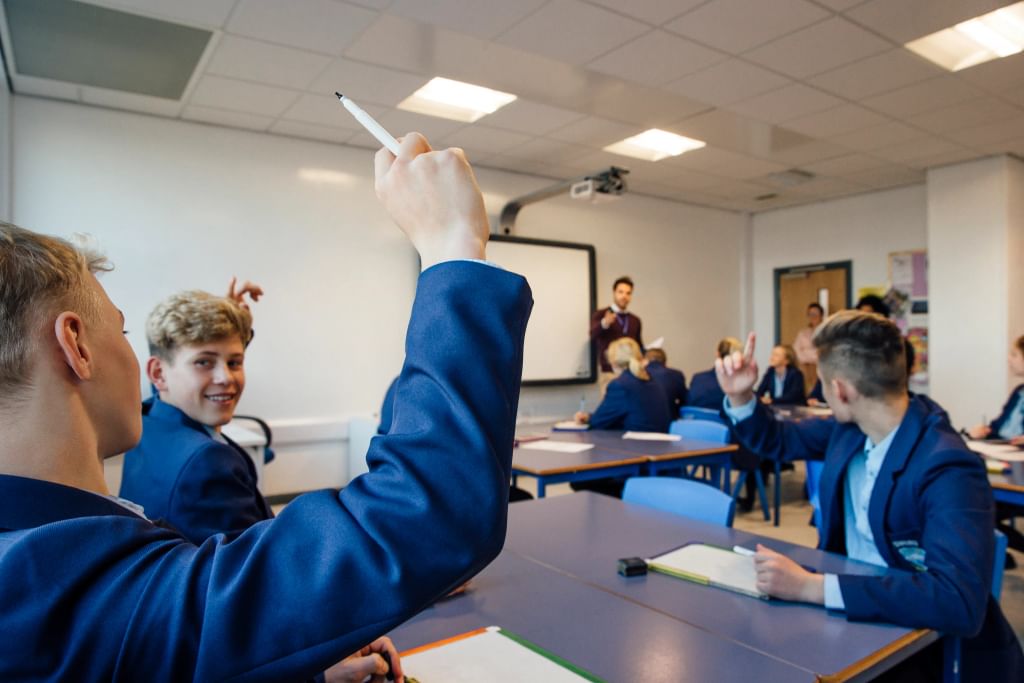
The lesson is often the part that causes the most stress, but it helps to reframe it slightly. You’re not being assessed as a finished product, you’re being seen as a trainee with potential. Observers aren’t expecting perfection; they’re looking for clarity, structure, and how you interact with students. A well-paced lesson with a clear beginning, middle, and end will go a long way. More importantly, they’ll notice how you respond when things don’t go to plan, because something usually won’t. What matters is staying calm, adapting, and keeping the focus on learning. Having a simple backup activity in your pocket can be a real confidence boost if timings shift or something falls flat.
As you move through the day, the school tour offers a slightly different perspective. It’s easy to forget, but this is also your opportunity to decide whether the school is right for you. Notice how students behave between lessons, how staff interact with each other, and what the classrooms feel like. Asking thoughtful questions here shows genuine interest, but it also helps you get a clearer sense of what working there would actually be like day to day.
The formal interview can feel daunting, especially when you’re sitting in front of a panel, but it’s worth remembering that they want you to succeed. At this point, they’ve likely already shortlisted you, they’re hoping you’ll be the right fit. The questions are usually quite familiar: why you want to teach, what good teaching looks like, how you manage behaviour, and how you support different learners. You can find loads more on the TES website and these can be used to help you prepare. I made flashcards and practiced my answers in advance. You don’t need perfectly polished answers. What makes a difference is being honest, reflective, and drawing on your own experiences, even if they feel small. Those real classroom moments from your training are often your strongest examples.
Once the day is over, you’ll likely find yourself replaying every moment in your head. The waiting can be one of the hardest parts. If the outcome isn’t what you hoped for, it doesn’t mean you weren’t good enough. Interviews are as much about fit as they are about skill, and every experience helps you improve for the next one. And if you do get the job, take a moment to properly celebrate. You’ve worked hard to get there.
At the end of the day, teaching interviews (and teaching in general) aren’t about being flawless. They’re about showing that you’re reflective, willing to learn, and genuinely care about helping students succeed.
Discover more
Find out more about our Department of Education
Career, Employability and Enterprise Centre
Create your own personalised prospectus here
Follow our students on Instagram, TikTok and YouTube