
When I started my first year, a placement felt like something other people did -more organised people, people who had it figured out. A year and a half later, I had an offer from one of the world’s most competitive graduate employers. Here’s the honest version of how that happened.
Let’s start with what a placement year actually is, because it’s easy to nod along without really knowing. It’s a paid work placement, typically 9 to 12 months, that sits between your second and final year of university. You step out of academia, work full-time in industry, and come back for your last year with a completely different perspective. Some people call it a sandwich year. I call it the thing that made the rest of my degree feel worthwhile.
The benefits are real and well-documented: better employability, stronger interview performance, a network you’d otherwise never build, and crucially – the confidence that comes from actually doing a job. A lot of students also come back with graduate offers already lined up, which takes an enormous amount of pressure off the final year. But here’s the thing nobody tells you early enough: getting a good placement, especially at a competitive company, takes sustained effort across your whole time at university. Not just a frantic few months of applications in the second year.
I chose a degree with placement built in – and it changed my mindset
Before I even arrived at Durham, I made the decision to apply for a degree programme that included a placement year as a structured part of the course. That one choice reframed everything. From the start, I wasn’t thinking of a placement as optional or aspirational; it was part of the plan. If you’re in a position to make that call, I’d genuinely recommend it. But even if your course doesn’t include one, most departments will support you in taking a placement year. It’s worth having that conversation with your department sooner rather than later.
First year: getting my CV and cover letter into shape
I started using Durham’s careers service properly in my first year, which I think surprised a few people. Most students wait until they’re actually applying to think about their CV. I booked one-to-one careers appointments through Careers Connect – the university’s central platform for placements, internships, and career tools- and worked with an advisor on both my CV and my cover letters over several sessions. The difference between a CV that gets through screening and one that doesn’t often comes down to specifics: the language you use, whether your bullet points show impact rather than just tasks, and whether your keywords match what employers are actually looking for.
Careers Connect also has CareerSet, an AI-powered CV checker that mimics the automated screening software that real employers use. Running your CV through it before applying is genuinely useful – it picks up things a human eye misses, and it gives you a sense of how your application looks before it even reaches a recruiter.
Building a CV worth reading – outside the lecture hall
Grades are part of the picture, but they’re rarely what makes you stand out when you’re competing for placements at big companies. I became an executive committee member of a few societies at Durham, which gave me real, concrete examples of leadership and teamwork that I could speak to in interviews. Organising events, managing budgets, coordinating a team – these things matter, and they’re exactly the kind of experiences that come up in competency-based interviews. I also got a part-time job. It gave me genuine workplace experience, and perhaps more importantly, it gave me the habits that employers look for: showing up reliably, managing my time, working with people I hadn’t chosen. If your CV feels thin on experience, this is the most practical thing you can do about it.
Second year: treating the process like a job in itself
By second year, with applications opening up, I shifted my focus to preparation. I used Graduates First – free for all Durham students through the careers service – to practise psychometric tests. Numerical reasoning, verbal reasoning, abstract reasoning: these come up constantly in placement recruitment, especially at larger companies, and they’re absolutely something you can improve at with practice. Going in cold is unnecessary when the tool is right there.
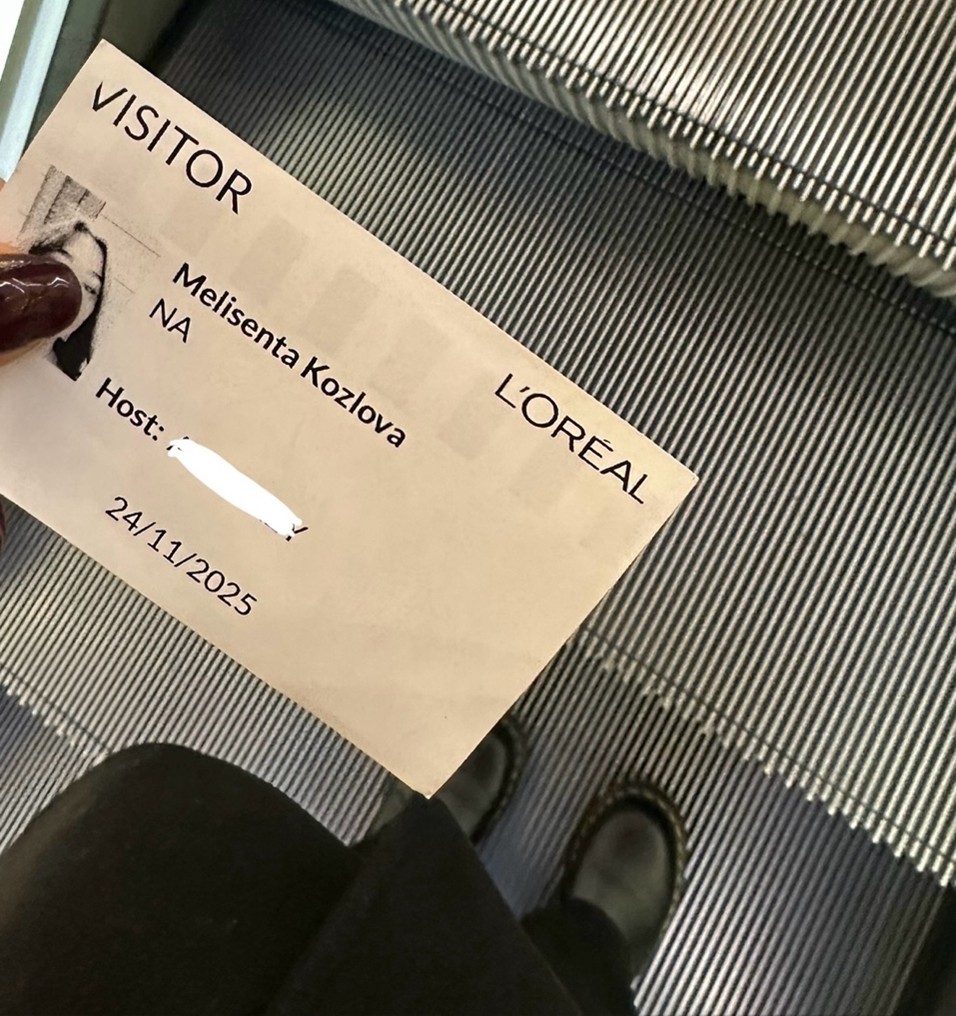
I also did mock interviews through the careers service and spent time researching what assessment centres actually involve. Group exercises, case studies, presentations, one-to-ones – the format varies, but the underlying skills don’t. L’Oréal’s recruitment process is known for being thorough, and I genuinely believe that the preparation I’d been doing for months beforehand was what got me through it.
A placement year is one of the best things you can do at university. But the students who get the most from it and who actually land the placements they want are the ones who start early and treat it as a long game. Durham gives you every tool you need: Careers Connect, one-to-one appointments, CareerSet, and Graduates First. The support is genuinely there. You just have to show up for it.
Discover more
Find out more about taking a Placement Year at Durham
Create your own personalised prospectus here
Follow our students on Instagram, TikTok and YouTube