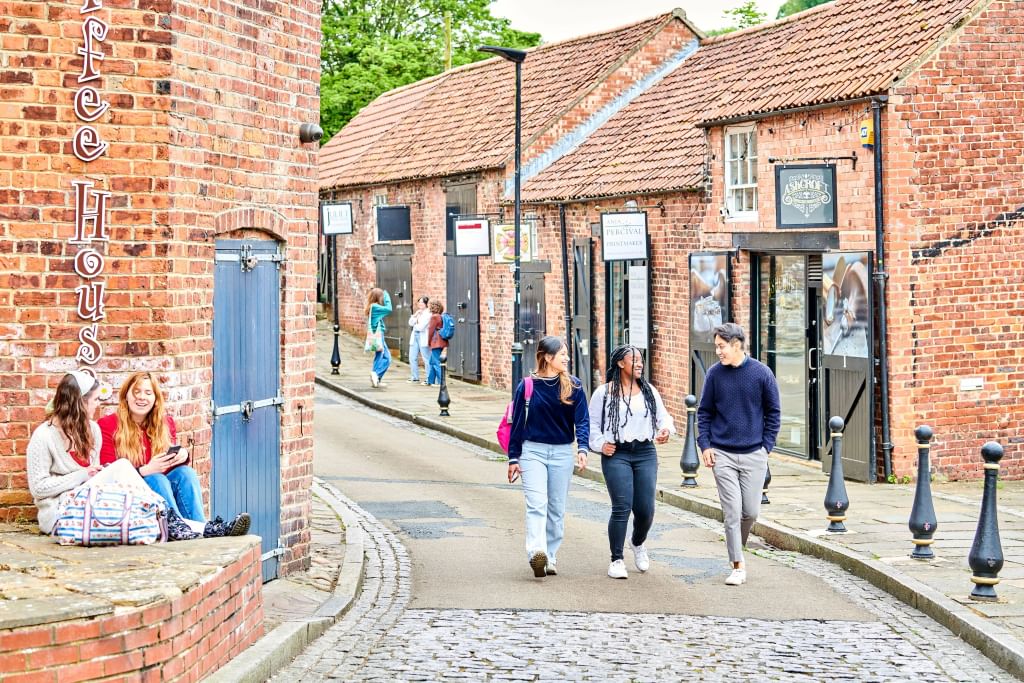


Choosing a university course is one of those decisions that feels enormous at the time, and honestly, it should. You’re not just picking a subject. You’re picking an environment, a community, and in many ways, the version of yourself you’re going to grow into over the next three or four years.
I’m now in my second year studying Marketing and Management at Durham Business School, and looking back at the seventeen-year-old trying to make that decision, I wish I’d had something like this to read.
Why Marketing?
At A-Level I studied Psychology, Business and Photography. On the surface, they don’t have much in common, but looking back, they were all pointing at the same thing. I was drawn to understanding why people behave the way they do, how businesses are built, and how visuals communicate something words can’t.
I wanted a career that was equal parts analytical and creative. One where I’d be working collaboratively with a team but also thinking independently and strategically. And one where, eventually, I’d be able to look around and actually see my work out in the world – in a campaign, on a screen, inside a brand people recognise.
Marketing ticked every single box. It isn’t just advertising. It’s consumer behaviour, data, storytelling, brand strategy, and human psychology all rolled into one discipline. Once I understood that, the decision was easy.
Why Durham Business School?
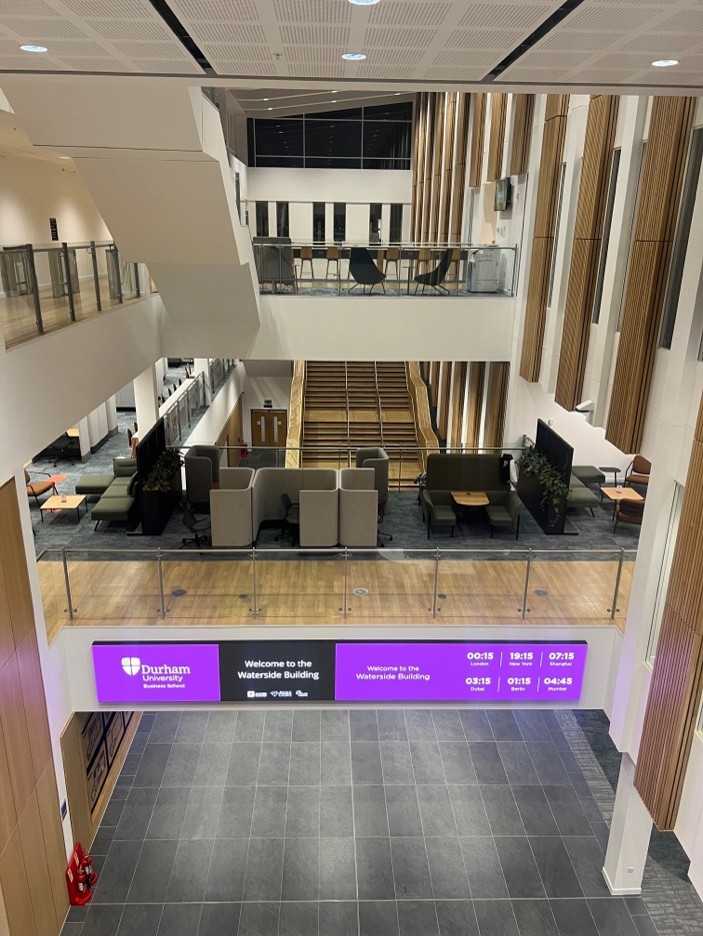
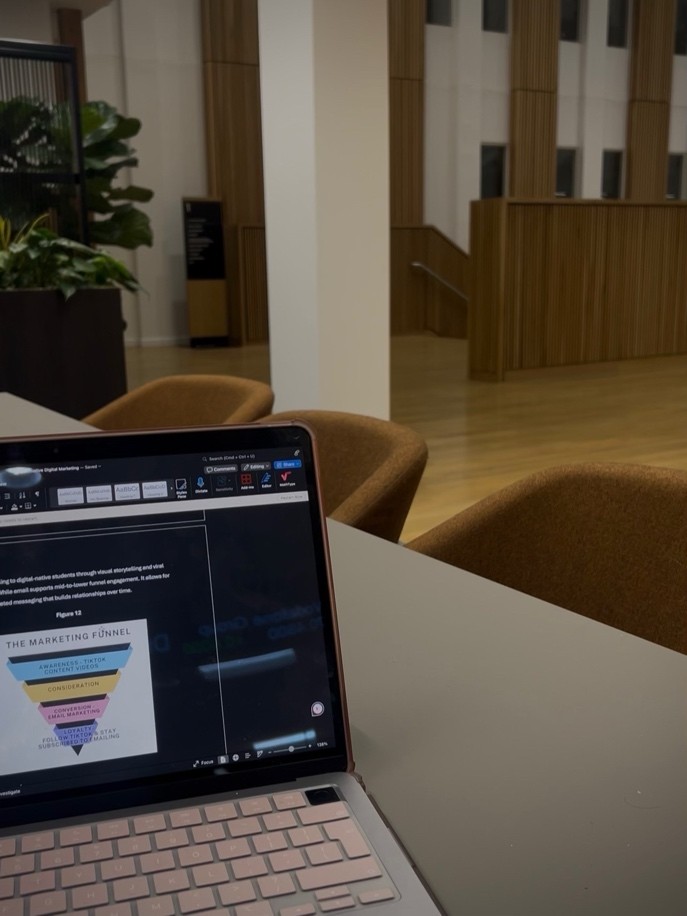
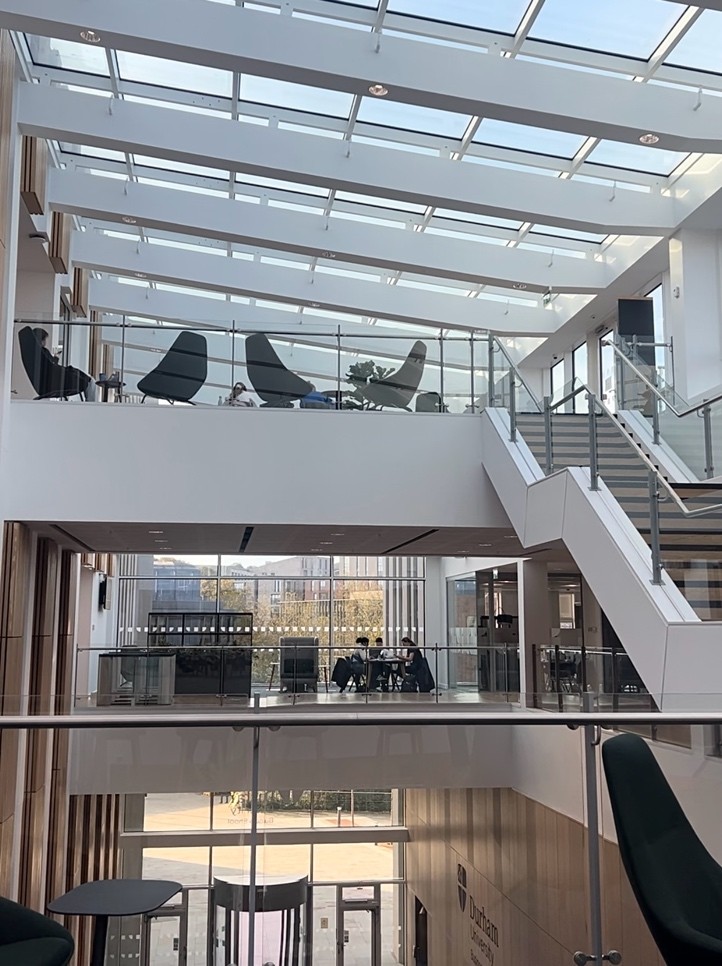
Durham consistently ranks in the top five universities in the UK to study Marketing, which mattered to me. But what actually sealed it was the Waterside Business School. The building is stunning – a purpose-built, modern space right on the river, with the kind of atmosphere that makes you feel like you’re already somewhere. There’s this rare combination of small-city life and a genuinely corporate, professional feel. Walking in for the first time, I just knew. The environment you study in shapes how you think about your work, and this one quietly pushes you to take yourself seriously before you’ve even graduated.
Has it met expectations?
More than.
One of my favourite things about the course is how much agency you actually have over it. In the second year, you choose optional modules based on where you want your degree to take you – so instead of studying Marketing as one broad, generic subject, you get to go deep into what actually interests you.
I chose Brand Identity, Culture and Society and Applied Brand Strategy. The first explores how brands operate at a deeper cultural level – the symbolism, emotions, and group identity that sit behind consumer behaviour. The second goes into the company side: logo design, communications, brand equity, protection. Together, they gave me a complete picture of how a brand is built and experienced, from the inside out.
The part that surprised me most
I expected good lectures. I didn’t expect to be presenting to a Vice President at Procter & Gamble in my second year.
As part of one of my modules, our cohort collaborated on a real-life brief with P&G. The challenge was a genuinely pressing one: how do you shift public conversation around sustainability away from plastic packaging, which dominates the narrative and towards the environmental impact of how people actually use products? We worked as a team, developed a creative solution, and presented it directly to Ian Morley, P&G’s Vice President of Sales. That’s a sentence I still can’t quite believe I get to say about a university module.
I’ve also competed in the D&AD New Blood Competition, taking on a live brief from Extra Gum that asked us to address two things simultaneously: gum’s declining relevance among teenagers, and the mental health pressures that Gen Z are navigating every day. Real brand, real brief, real deadline and a real lesson in what it means to work creatively under pressure!
What the workload actually looks like
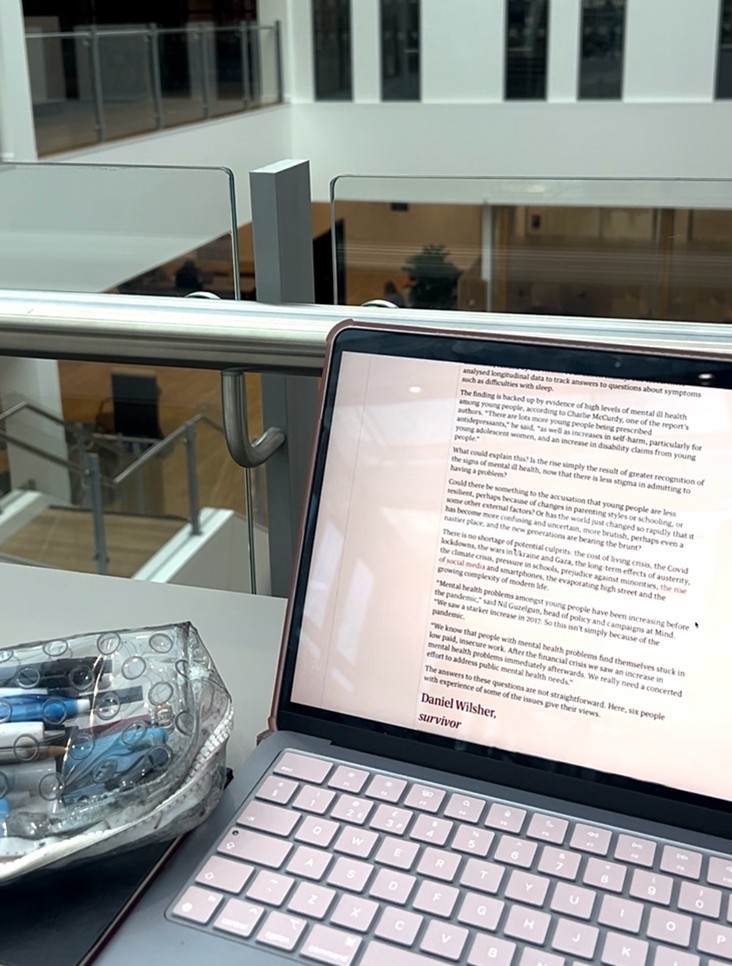
The course varies a lot, and I mean that in the best way. Some assignments are team-based, which builds the exact kind of collaborative, communicative skills you’ll need the moment you walk into a workplace. Others are completely individual: analysing a brand based on real data, identifying strategic weaknesses, and making a case for change.
You’re never just regurgitating theory. You’re being asked to apply it, argue with it, and sometimes push back against it. That’s what makes the difference between a degree that looks good on paper and one that actually prepares you.
So, is it worth it?
If you’re the kind of person who wants more than just a degree, who wants to graduate with real experience, a formed perspective, and the confidence to walk into a room and actually contribute – then yes. Marketing at Durham is worth seriously considering.
Discover more
Create your own personalised prospectus here.
To find out more about student life in Durham, follow our students on Instagram, TikTok and YouTube